Khajuraho emerges like a poetic dream from Madhya Pradesh’s heartland, where Kandariya Mahadeva Temple’s soaring shikhara pierces the sky amid intricate carvings celebrating life’s sensual dance, and Raneh Falls thunders nearby through granite gorges. Dawn bathes Brahma Temple’s unique four-faced deity in golden light, afternoons unfold amidst Panna National Park’s tiger trails, evenings hush with light-and-sound shows narrating Chandela legends; this is Khajuraho, UNESCO’s jewel where erotic artistry meets wilderness wonders in timeless harmony.
Khajuraho is more than stone sculptures and safaris. It’s India’s artistic soul, blending 10th-century devotion with nature’s raw power for journeys that awaken the senses.
How to Reach Khajuraho
By Air: Take flights to Khajuraho Airport connecting Delhi, Varanasi, Bhopal; taxis cover 5kms heritage hotel transfers through temple avenues swiftly.
By Rail: Khajuraho Station welcomes direct trains like Hazrat Nizamuddin Express from Delhi (11hrs); Mahoba Junction (65kms) offers more connections with taxi links.
By Road: NH-75 glides from Jhansi (175kms, 4hrs) or Satna (120kms, 3hrs); MPSTDC buses frequent from Chhatarpur (55kms).
Best Places to Visit in Khajuraho
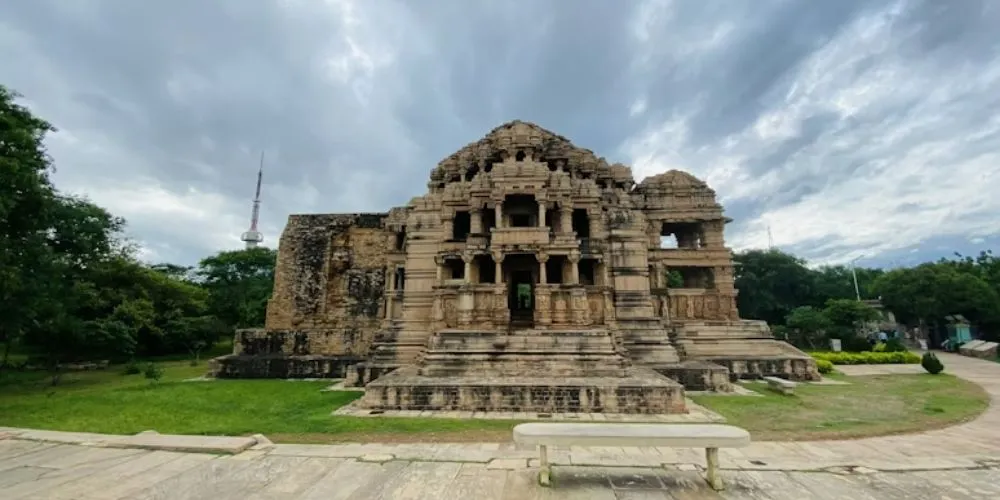
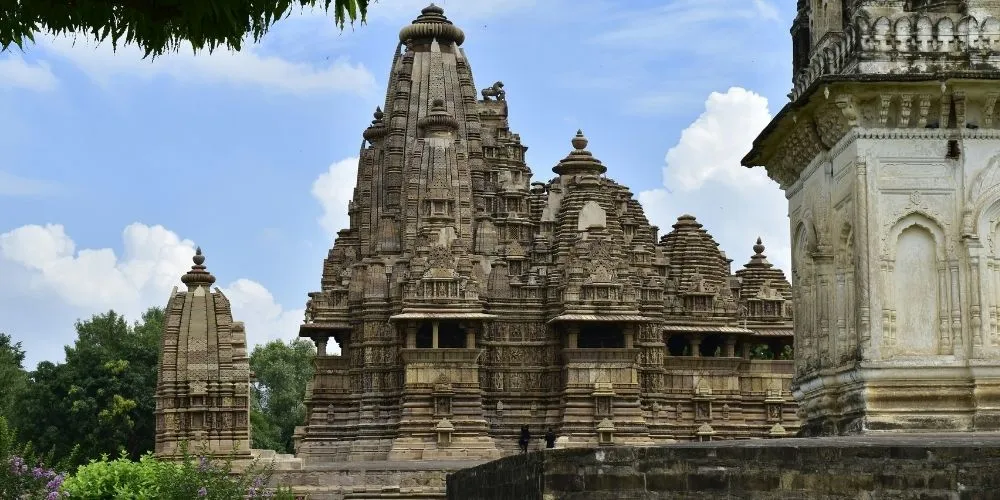
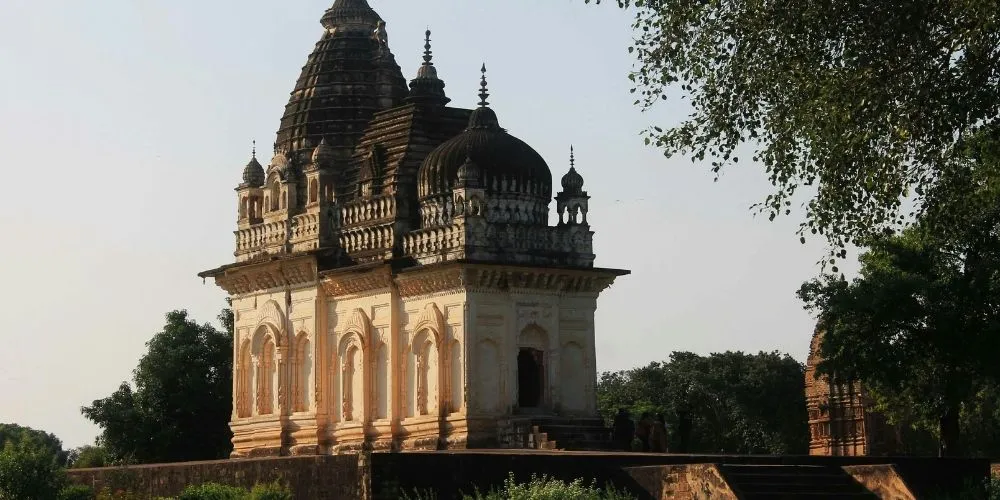
- Kandariya Mahadeva Temple: Kandariya Mahadeva Temple stands as Khajuraho’s crowning glory, a 1025 CE Shiva masterpiece rising 116 feet with 872 mesmerizing sculptures depicting celestial apsaras, mythical battles, and earthly passions across its Nagara-style facade. Vidyadhara’s vision inspired this largest Western Group temple, where the inner sanctum’s lingam receives eternal worship amid flickering diyas. Climb platform steps to circle banded friezes revealing Kamasutra-inspired fluidity, sunset casting dramatic shadows on honeyed stone. Here you’ll find the pinnacle of erotic elegance among Khajuraho’s sacred symphony.
- Brahma Temple: Brahma Temple enchants as Khajuraho’s oldest survivor from 900 CE, its unique four-faced deity (actually Shiva) gazing across Eastern Group amid Chausath Yogini’s circular ruins. Delicate toranas frame cosmic dance carvings and subterranean water tanks reflect starlit spires during Purnima nights. Tranquil courtyards invite quiet contemplation, while local priests share Chandela lore beside sacred tulsi groves. An ancient anchor that blends creation myths with architectural purity.
- Raneh Falls: Raneh Falls roars 30kms away through India’s Grand Canyon, Ken River splitting black diamond granite into rainbow-hued cascades plunging 70 metres amid pristine gorges perfect for photographers chasing monsoon rainbows. Jeep trails wind past fossil-strewn cliffs, while winter reveals terraced pools for picnics under vulture silhouettes. Dry season unveils dramatic rock formations, adventure seekers rappel sheer drops. Khajuraho’s wild waterfall escapes contrast its temple tranquility.
- Panna National Park: Panna National Park sprawls 542 sq kms guarding India’s reintroduced tigers amid teak forests and diamond mines, jeep safaris reveal leopards, sloth bears, and Gangetic dolphins in Ken River. Hathi Gate welcomes dawn patrols past ancient ruins, birders can spot 200 species including painted storks. Walking trails through sal groves offer intimate wildlife encounters and luxury tented camps host starry dinners. This is Khajuraho’s biodiversity heartbeat pulsing with primal energy.
Best Time to Visit & Packing Essentials
October-March’s pleasant 15-28°C unveils clear temple details and makes for pleasant park safaris; Khajuraho Dance Festival in February peaks cultural splendour. Avoid summer heat. Pack light cottons, sunscreen, binoculars for wildlife, and comfortable walkers for temple circuits.
Top Stays in Khajuraho
Heritage Hotel The Lalit, Syna Heritage Hotel offers temple views and royal hospitality perfect for luxury seekers. Other options include Hotel Chandela and Clarks Hotel near Western Group suits explorers. Budget guesthouses by Matangeshwar Temple welcome backpackers.
Ultimate 3-Day Khajuraho Itinerary
Day 1: Start with sunrise Kandariya Mahadeva exploration, followed by Western Group temples, and end with evening sound-and-light show.
Day 2: Begin at Brahma Temple darshan, continue to Raneh Falls cascades, conclude with Panna National Park sunset safari.
Day 3: Visit Lakshmana Temple carvings, explore local museums, bid farewell with market shopping and dance performance.
Exciting Activities and Detours: Temple audio tours, tiger tracking, waterfall rappelling. Detour Ajaygarh Fort (90kms), Bandhavgarh tigers (240kms).
What to Do, Shop, and Eat in Khajuraho
To Do: Sound-and-light shows, wildlife safaris, temple yoga sessions.
To Shop: Sandstone replicas, terracotta jewellery, Khajuraho prints at Shilpgram haats.
To Eat: Poha jalebi, dal bafla, mori laddus, Ken River fish at temple-side cafes.
Nearby Gems to Explore: Panna tigers (30kms), Bandhavgarh reserves (240kms), Orchha palaces (170kms), and Sanchi stupas (280kms).
To Conclude
Khajuraho awakens eternal senses and sculpts Kandariya’s passion beside Brahma’s wisdom, Raneh’s roar harmonizes Panna’s prowls in cosmic balance. From erotic eternities to jungle heartbeats, it presents India’s artistic awakening. Circle those sacred spires, track tiger trails; Khajuraho’s stone symphony calls timelessly. Your Chandela chronicle unfolds!
By: Anushka Singhal