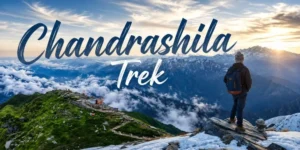
Chandrashila Trek is one of the most accessible high-altitude summits in the Garhwal Himalayas, taking you from the meadow base of Chopta (~2,680 m) to the 4,000–4,130 m “Moon Rock” peak via the ancient Tungnath Temple. The core trek is a compact 10–11 km round trip from Chopta (functional base camp), usually done in a single long day or as part of a 3–4 day circuit that includes Deoriatal and Sari village; it is graded easy-moderate, works well for fit beginners, and rewards trekkers with 360-degree views of Nanda Devi, Chaukhamba, Kedarnath, Trishul and other iconic peaks.
Chandrashila Trek Overview
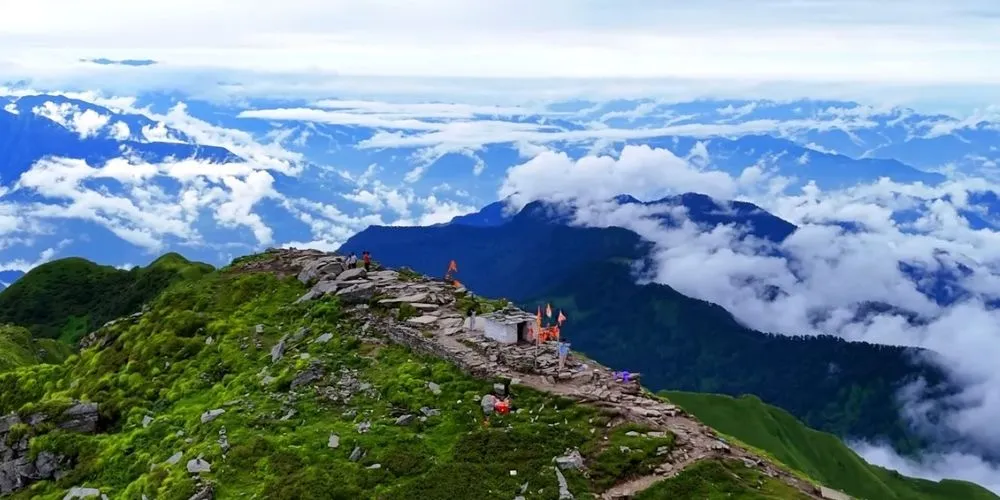
Chandrashila sits atop the Chandranath Parbat ridge above Tungnath, the highest Shiva temple in the world, and is approached through the Kedarnath Wildlife Sanctuary. The standard route climbs from Chopta through rhododendron and oak forest to Tungnath, then follows a steep rocky ridge to the summit, making it a short but intense altitude gain of roughly 1,300–1,400 m in about 5 km one way. Because the trail is well-defined and the distance manageable, many operators combine it with Deoriatal or use it as a standalone weekend summit from Delhi.
Trek Highlights
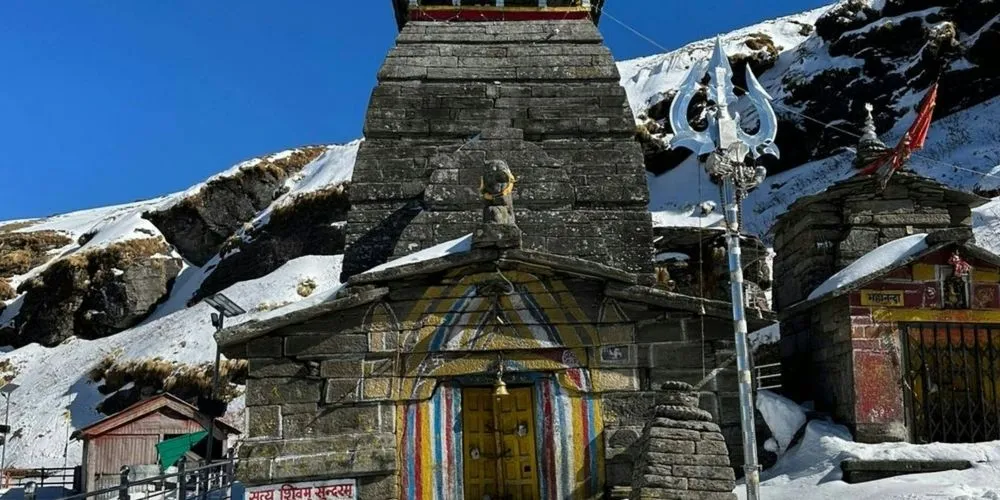
The biggest draw is the panoramic summit view, where on clear days you can spot Nanda Devi, Chaukhamba, Kedarnath, Trishul, Neelkanth and a long arc of Garhwal giants from a single vantage point. Passing through Tungnath adds a spiritual layer, with the ancient stone temple, prayer flags and high-altitude dhabas creating a unique mix of pilgrimage and adventure. In winter, the trail often turns into a snow trek with microspikes, while spring brings rhododendron blooms that make the forest sections especially scenic.
How to Reach Chandrashila
By Air: The nearest airport is Jolly Grant Airport, Dehradun, from where Chopta is reached by road via Rishikesh, Devprayag, Srinagar, Rudraprayag and Ukhimath. You can hire a taxi or use a pre-arranged transfer to cover the 220–240 km mountain drive in 8–10 hours.
By Rail: Haridwar and Dehradun are the main railheads for Chandrashila, both well connected to Delhi and other big cities. From either station, you continue by bus or shared jeep to Rishikesh and then onward to Chopta via the Alaknanda–Mandakini valley route.
By Road: Road access follows the classic Char Dham corridor: Rishikesh/Haridwar → Devprayag → Srinagar → Rudraprayag → Kund → Ukhimath → Chopta. Regular buses and shared Sumos operate in season, while many trekking groups use reserved tempo travellers for reliability and gear space.
To Base Camp: Chopta, at about 2,680 m, is the functional base camp for the Chandrashila summit. Most itineraries have you reach Chopta by late afternoon, rest, and then start the trek early next morning; some plans use Sari/Deoriatal as an additional base before moving to Chopta.
Trek Route & Trail Information
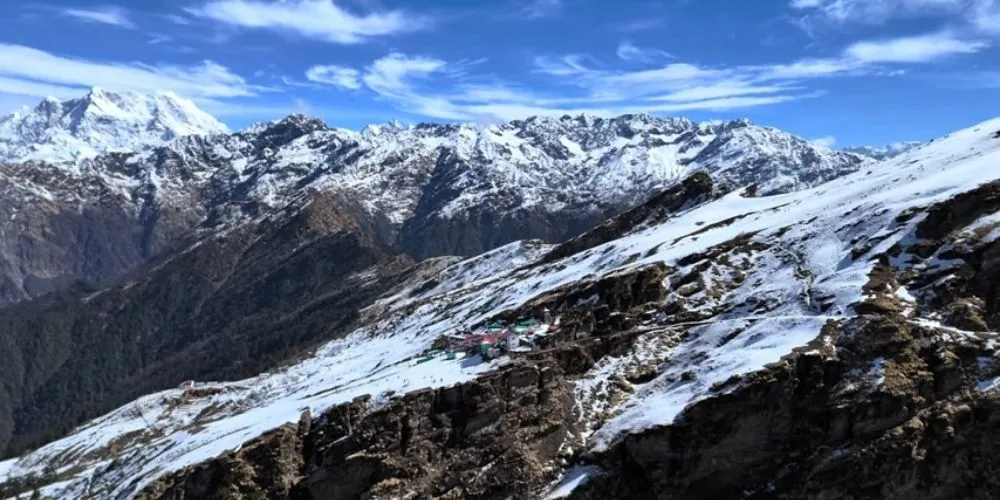
The classic summit route is Chopta → Tungnath Temple → Chandrashila Peak → Chopta. From Chopta, a well-marked stone-paved trail climbs through rhododendron and oak forest for about 3.5 km to Tungnath, where the tree line thins and the valley opens up. Beyond the temple, a steeper 1.5 km rocky ridge leads to the summit, with the final section often requiring careful footing, especially in snow or wind.
Day-wise Itinerary
Most 3–4 day plans combine travel, Deoriatal, and the summit.
Day 1 Is usually the road transfer from Delhi/Haridwar/Rishikesh to Sari or directly to Chopta, depending on the operator.
Day 2 Often covers Sari to Deoriatal and back, or a relaxed acclimatisation day in Chopta with a short walk.
Day 3 is the main summit day: early start from Chopta, climb to Tungnath, push to Chandrashila, and return to Chopta by evening.
Day 4 is the return drive to Rishikesh/Haridwar and onward travel to Delhi or any other destination city.
Best Time to Visit
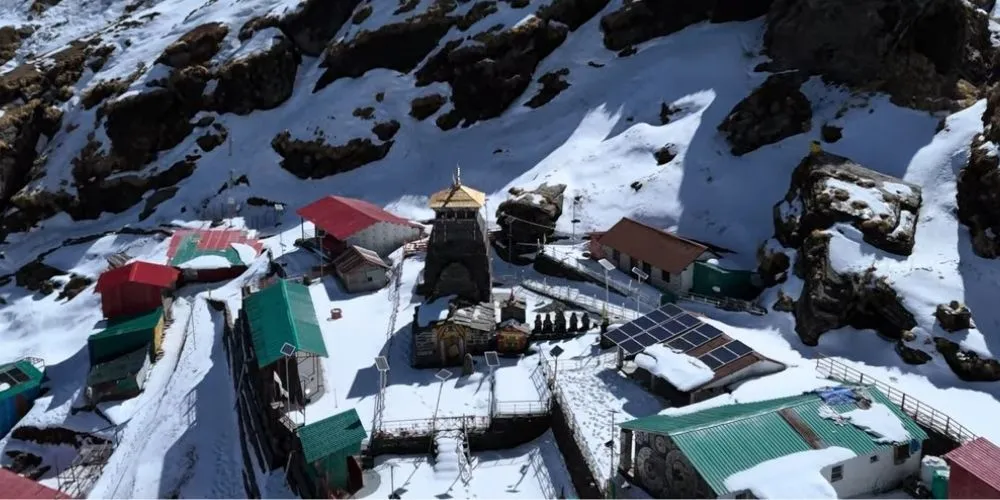
Chandrashila is best trekked in April–June and September–November, when the weather is stable and views are clear. April–June offers pleasant temperatures, blooming rhododendrons and mostly snow-free trails, making it ideal for families and first-timers. September–November brings crisp air, post-monsoon clarity and excellent mountain visibility, though nights become colder. Winter (December–March) attracts trekkers seeking snow, but the trail can be slippery and requires proper gear and experience.
Permits & Entry Fees
Chandrashila lies inside the Kedarnath Wildlife Sanctuary, so an entry fee and trekking slip are required at the Chopta forest checkpost. As of recent seasons, Indian adults pay around ₹150, students (5–18 years) about ₹38, seniors around ₹75 and foreign nationals roughly ₹600, with children below 5 often exempt. No separate inner-line permit is currently needed for Indian passport holders, but rules can change, so checking with your operator or the forest office before travel is wise.
Trekking Essentials (What to Pack)
- Carry a 30–40 L daypack for the summit if your main luggage stays at Chopta, or a 50–60 L backpack if you are doing a multi-day self-supported trek.
- Essential clothing includes quick-dry trekking tees, trekking pants, thermal innerwear, fleece or synthetic mid-layers, a warm padded jacket, woollen socks, gloves, a warm cap, and a buff.
- Good high-ankle trekking shoes with grip, rain jacket/poncho, UV sunglasses, sun cap, headlamp, trekking poles and a basic medical kit are strongly recommended.
- In winter, add gaiters and microspikes or crampons for snow and ice on the upper ridge.
Important Tips
- Start the summit climb early in the morning to avoid afternoon wind and cloud buildup, and to maximise your chances of clear views.
- Keep your pace steady on the steep section above Tungnath and do not rush the final ridge if the weather turns windy or visibility drops.
- In winter, respect snow conditions, use microspikes where advised and avoid venturing beyond the marked trail.
- Carry sufficient water and high-energy snacks, as options are limited beyond Tungnath.
Places to Visit Nearby Chandrashila Trek
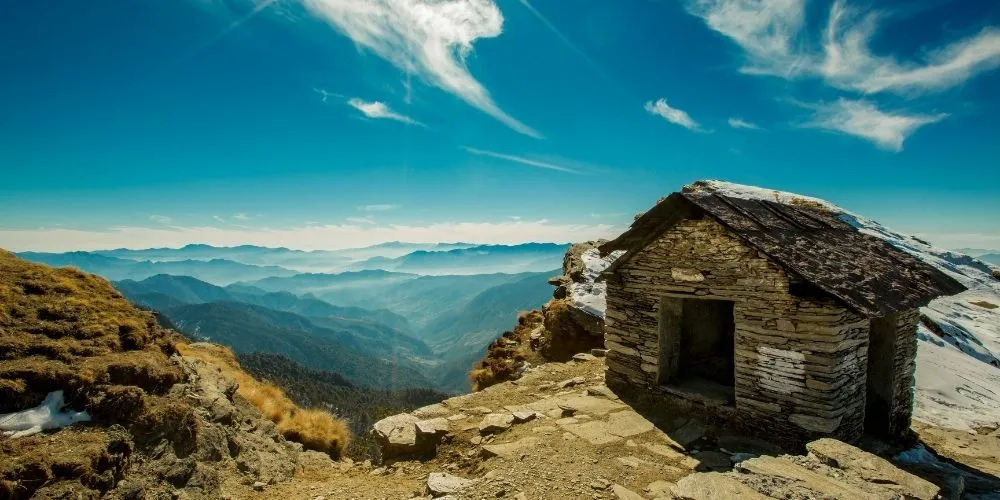
Chopta itself, often called the “Mini Switzerland of India,” is a scenic meadow area ideal for short walks and photography. Deoriatal, near Sari village, is a beautiful high-altitude lake with reflections of Chaukhamba and surrounding peaks, commonly added as a side trek.
Ukhimath and Gopeshwar offer ancient temples and quieter valley stops on the drive route. Rishikesh and Haridwar make excellent pre- or post-trek halts for Ganga aarti, rafting, and cafes before heading back to the plains.
Conclusion
Chandrashila Trek offers a rare combination of high-altitude summit views, spiritual heritage and short, manageable trails, which is why it remains one of Uttarakhand’s most popular weekend treks. Standing on the “Moon Rock” above Tungnath, with Nanda Devi, Chaukhamba and Kedarnath spread out before you, you quickly understand why this route is often called a “mini Switzerland” experience with a real Himalayan payoff. For trekkers who want a taste of 4,000 m without committing to a long expedition, Chandrashila delivers a compact, scenic and memorable introduction to the Garhwal Himalayas.
By: Anushka Singhal
Also Read: Nag Tibba Trek: The Perfect Weekend Summit in the Garhwal Himalayas