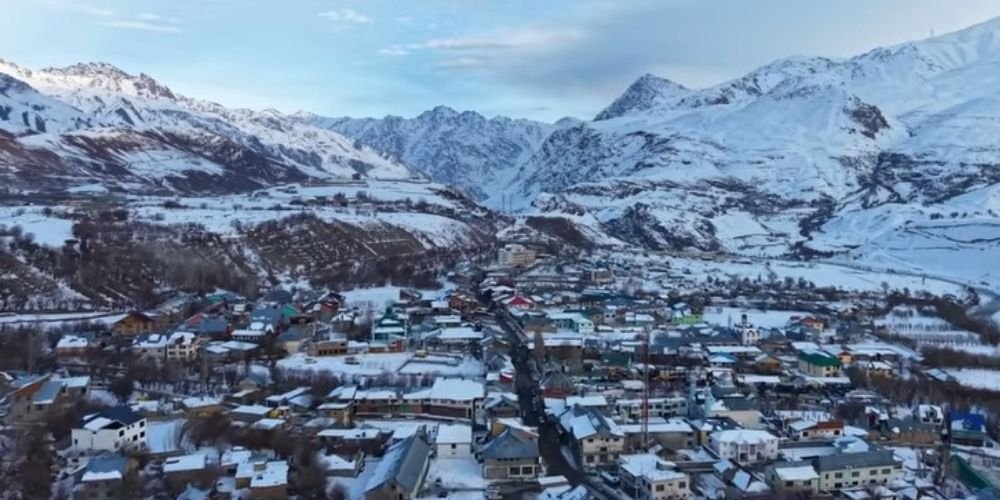
The gateway to the magnificent Ladakh region, Drass is a breathtaking hill station in Ladakh’s Kargil district. Drass sits at an altitude of about 3,280 metres on National Highway 1 between Zoji La Pass and Kargil town and is famous for being the coldest inhabited place in India and the solemn home of the Kargil War Memorial. This rugged valley on the Srinagar-Leh Highway offers visitors a unique blend of war heritage, stunning Himalayan landscapes, and authentic Ladakhi culture that makes it an unforgettable destination for Indian travellers seeking adventure and meaning. Since 1999, following the Kargil War, this place has transformed from a remote war zone into a significant tourist destination.
Understanding Drass Temperature and Weather
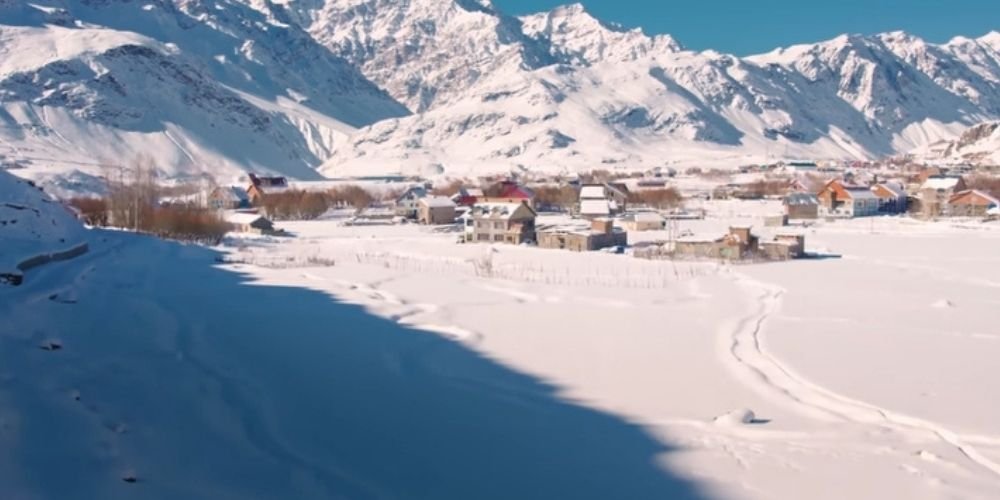
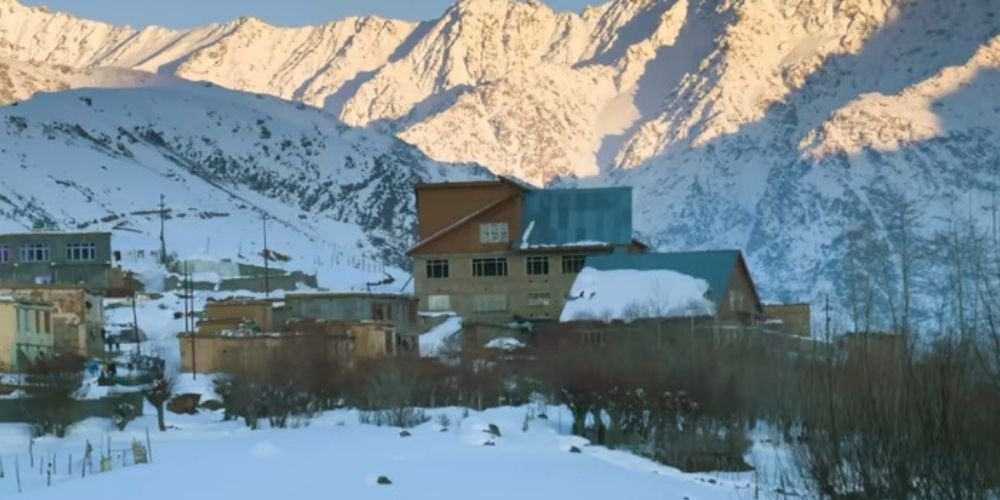
During winter months from October to May, the region remains covered in thick snow with temperatures plummeting to as low as -45 degrees Celsius. This extreme cold is why Drass holds the title of India’s coldest inhabited place.
How to Reach Drass
By Air: The nearest airport is Srinagar Sheikh-ul-Alam Airport, approximately 140 kms from Drass. Leh Airport is an alternate option at 215-279 kms from Drass. Direct flights operate daily between New Delhi and Leh Airport with a flight duration of about 1 hour 15 minutes.
By Train: The nearest railway station is Jammu Tawi, about 442 kms from Drass and Srinagar Railway Station, about 200 kms from Drass which has Vande Bharat Train connectivity from Katra Railway Station. Several passenger trains ply from various parts of the country to Jammu.
By Road: Drass can be approached via National Highway 1 connecting Srinagar to Leh. State-run buses, private buses, and taxis ply on this route daily. The distance from Srinagar is approximately 140 kms, from Kargil is 60 kms, and from Delhi is 924 kms by road.
Must-Visit Places in and Around Drass
- Kargil War Memorial: The Kargil War Memorial is the most significant attraction in Drass, built by the Indian Army in memory of soldiers who sacrificed their lives during the 1999 Kargil War. This solemn sanctuary is located just a few hundred metres past Drass town on the Srinagar-Leh Highway. The memorial remains open from 10 AM to 12 PM and 2 PM to 5 PM on all weekdays except Sunday. Inside, you’ll find a sandstone wall bearing the names of fallen soldiers, a 15 kg Indian flag, and a photo gallery documenting Operation Vijay with captured weapons and equipment. A soldier provides a live briefing of the war in Hindi every day, making this an emotionally powerful experience. The best time to visit the Kargil War Memorial is from May to October.
- Tiger Hill: Tiger Hill stands as the highest peak in the Drass Valley and is famous for the panoramic views it offers. This strategic hill was a crucial battleground during the Kargil War, and today tourists can either view it from the distant valley or climb up to viewpoints for breathtaking vistas of surrounding mountains. From the Kargil War Memorial, you can get a good view of Tiger Hill on clear days. The main attraction here is trekking, and some visitors even camp to enjoy outdoor evenings.
- Stongdey Monastery: This monastery is the second largest monastic institution in the Zanskar region, located about 18 kms north of Padum on the road to Zangla. Founded in 1052 CE by Lama Marpa Lotsawa, it belongs to the Gelugpa sect and houses around 60 Buddhist monks. Perched on a rocky hillock, the monastery complex contains multiple temples with rich monastic legacy remnants.
- Other Notable Attractions: Manman Top, Gomchan valley, Dongchik, Ningoor Masjid, Bhimbet Stone (featuring a rock sculpture believed to be Bhim’s solidified body), Draupadi Kund (a sacred Hindu pond 75 kms from Kargil), Tololing Waterfall, Tsochak Lake, and the Gangzla Trek are some of the other important attractions that can be explored. The war-time topographies of Tololing, Tiger Hill, and Mushko valley remain significant places of attraction. Goashan, a beautiful picnic spot famous for horse polo, is another must-visit location.
Where to Stay in Drass
Drass being a small remote village has not yet commercialized and does not have hotels within the town itself. The nearest accommodation options are in Kargil, about 60 kms from Drass.
Kargil offers hotels ranging from budget to mid-range resorts with well-appointed rooms and hospitable staff. Budget hotels offer decent facilities and amenities promising pleasant stays. Homestays are also available in Kargil, where guests pay less and receive cozy rooms with traditional homemade food. Hotel Drass Heights in Kargil is a great choice for travellers looking for star hotel accommodation.
For budget-conscious travellers, consider visiting between September and November when hotel prices are generally lowest. Peak hotel prices start between December and February. Some accommodation options in the Drass region include Hotel Stago Ladakh, Hotel Hill View, Mushkoo Valley Guest House Drass, and Maple House in Leh.
What to Do, Eat, and Shop in Drass
What to Do: Trekking, camping, sightseeing, and exploring mountain valleys are among the best experiences in Drass. Popular activities include visiting the Dras War Memorial, exploring Mushkoh Valley, trekking through scenic Himalayan trails, and enjoying local cultural experiences. Adventure lovers also visit the region for mountaineering (Nun-Kun Massif), rock climbing, and river rafting.
What to Eat: Food in Drass is simple, warm, and influenced by Ladakhi and Tibetan cuisine. Popular dishes include thukpa, skyu, momos, khambir bread, and traditional tea. Local meals are hearty and well-suited for the cold mountain climate.
What to Shop: The Drass Shopping Market offers local handicrafts, woolen products, and traditional Ladakhi items. Visitors can shop for souvenirs while interacting with local artisans. In nearby Leh, you’ll find colourful bustling bazaars like the Tibetan Market off Old Leh Road and Moti Market near the Leh bus stand, where you can purchase various curios and souvenirs.
Best Time to Visit Drass
The best time to visit Drass is from June to September, when the weather is pleasant, average temperature is 15°C, and suitable for sightseeing, trekking, and outdoor activities. Summer temperatures remain comfortable, and most mountain routes stay open during this period.
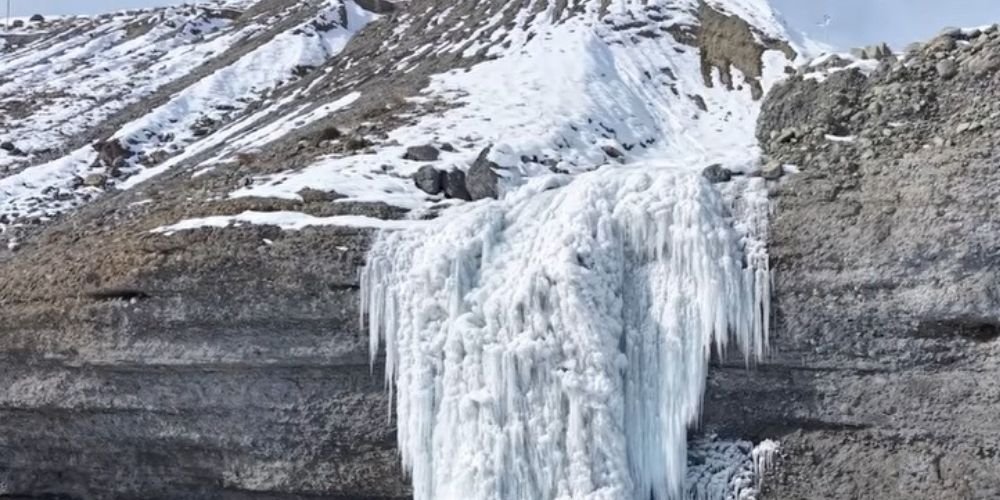
Winter in Drass is extremely harsh, with heavy snowfall and freezing temperatures, sometimes dropping below -40°C. Most trekking routes remain closed from October to May, making summer the safest and most comfortable season for travel.
Packing Essentials for Drass
Since Drass experiences extreme cold even in summer, pack warm clothing including heavy jackets, woolen sweaters, thermals, gloves, caps, and woolen socks. Sunscreen, sunglasses, and lip balm are essential due to high-altitude UV exposure. Carry sufficient cash as ATMs may be limited. Bring personal medications, especially for altitude sickness. Good trekking shoes with proper grip are mandatory. Power banks are useful as electricity may be intermittent.
Permits Required
For Indian tourists, Inner Line Permits (ILP) are required for Ladakh beyond certain points. Till Leh, no permit is needed for Drass as it lies on the main Srinagar-Leh highway. However, for foreign tourists, a Protected Area Permit is required. Specific border destinations may require written communication from 14 Corps of the Army for domestic tourists to access areas like Mushkoh Valley.
Sample 3-Day Itinerary
Day 1: Arrive in Srinagar, take a taxi or bus to Drass (4-5 hours). Check into accommodation in Kargil or Drass tourist complex. Visit the Kargil War Memorial in the afternoon. Attend the live war briefing. View Tiger Hill from the memorial. Stay overnight in Kargil.
Day 2: Early morning drive to Drass town. Visit Tololing Waterfall, Tsochak Lake, and Bhimbet Stone. Explore Stongdey Monastery if time permits (requires a detour to Zanskar). Return to Kargil. Enjoy traditional Ladakhi Thukpa and momos. Attend sunset at Goashan picnic spot. Stay overnight in Kargil.
Day 3: Morning trek on Gangzla Trek route or short hike to nearby viewpoints. Visit Draupadi Kund if you are interested in Hindu mythology. Shop for local handicrafts and woolen products at Drass market. Drive back to Srinagar or continue to Leh depending on your itinerary.
Nearby Places to Explore
Suru Valley is a must-visit during your Ladakh trip, located in Kargil district with green landscapes and dense plantations. Sankoo (40 kms from Kargil) features a Bamiyan-type rock statue and serves as a trek base. Purtikchey (60 kms) offers views of Nun Peak at 7135m. Parkachik is famous for Parkachik Glacier and adventure activities. Rangdum (130 kms) has an imposing 18th-century monastery on a hillock. Lamayuru Monastery (15 kms from Fotu La) is a Tibetan Buddhist Gompa. Mulbekh Chamba and Kargil Dam are other nearby attractions.
To Conclude
Drass offers Indian travellers a unique journey through history, nature, and culture. From the solemn tribute at the Kargil War Memorial to the pristine beauty of Tiger Hill and the extreme cold that defines this valley, Drass leaves an indelible mark on every visitor.
Whether you’re a history enthusiast, adventure seeker, or simply someone who wants to witness India’s coldest inhabited place, Drass delivers an authentic and unforgettable Ladakh experience. Combine your visit with nearby Suru Valley, Kargil, or continue your journey to Leh for a complete Himalayan adventure that will remain etched in your memory forever.
By: Anushka Singhal