Leh the name that evokes a thousand images and a million feelings. Vast blue skies, snow-draped mountains, barren yet beautiful landscapes kissed by the sun, serene blue waters, and the silent majesty of high-altitude deserts that make you feel alive, free, and happy all at the same time. Nestled in the upper reaches of the Himalayas, Leh Ladakh is often dubbed the “Land of High Passes,” but explore deeper, and you’ll feel it’s also the “Land of Resilience, Love, and Freedom.”
If you’re planning a Leh Ladakh trip and wondering where to begin, this is your complete traveller-friendly guide. From the best time to visit and top places to see to unmissable adventure activities, permits, itinerary ideas, and budget tips, we’ve got it all covered.
What Makes a Leh Ladakh Trip So Special?
Leh is the district headquarters of Ladakh, perched at a staggering 3,500 metres (11,500 ft) above sea level. Once a key stop on the ancient Silk Route, it’s now a melting pot of adventure seekers, spiritual wanderers, and winter snow chasers, all drawn by the same thing: space, silence, and soul.
Whether it’s Tibetan Buddhist monasteries clinging to cliffsides, the shifting blues of Pangong Lake, or the adrenaline rush of crossing Khardung La on a Royal Enfield, a Ladakh trip is a bucket-list experience unlike any other in India.
Best Time to Visit Leh & Ladakh
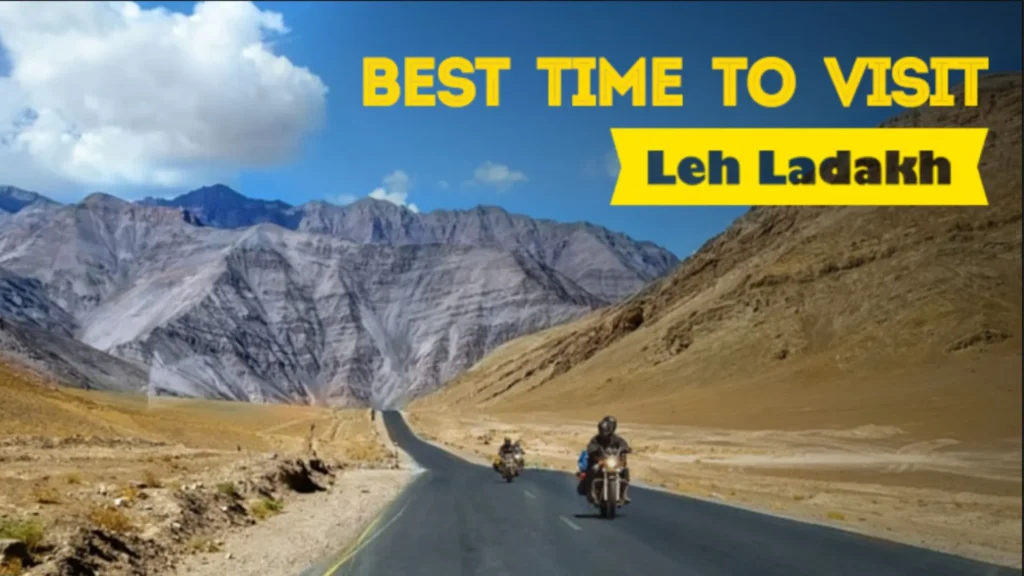
Choosing the right time to visit Leh Ladakh can make or break your trip. Here’s a month-by-month breakdown:
Peak Season: May to September (Best for Most Travellers)
This is widely considered the best time to visit Leh Ladakh for:
- Pleasant daytime temperatures (15–25°C)
- All major roads and mountain passes open (Khardung La, Chang La, Tanglang La)
- Full access to Nubra Valley, Pangong Tso, Tso Moriri, and Hanle
- Vibrant festivals like Hemis Festival (July), Ladakh Festival (September), and Dosmoche
- Ideal conditions for trekking, river rafting, biking, and camping
Monsoon Months: July & August (Proceed with Caution)
While Ladakh lies in a rain shadow and stays largely dry, the Manali–Leh Highway can face landslides. Flash floods are possible. However, August in Leh itself remains mostly crisp and clear, great for adventure activities.
Winter: November to February (For the Brave)
Temperatures plunge below -20°C, most roads close, and only experienced travellers should attempt a winter visit. That said, the Chadar Trek on the frozen Zanskar River (January–February) and the magical ice-sculpted Ice Stupas make winter Ladakh surreal and unforgettable.
Getting to Leh: How to Plan Your Ladakh Trip Route
By Air
The fastest option. Kushok Bakula Rimpochee Airport (IXL) in Leh connects directly to Delhi, Srinagar, Jammu, Mumbai, and now several Tier-2 cities like Jaipur and Ahmedabad. Book early; seats sell out fast in peak season. Important: Flying directly into Leh means your body skips gradual acclimatisation. Plan for a full rest day upon arrival.
By Road
Two legendary road trip routes:
Srinagar → Leh Highway (434 km): Easier gradient, great for first-timers. Now more accessible thanks to the Z-Morh Tunnel (opened 2025) near Sonmarg. Typically open May–October.
Manali → Leh Highway (479 km): More dramatic, crosses five high passes, including Rohtang and Tanglang La. Open roughly from late May to October. A dream route for bikers.
Permits Required for Leh Ladakh Trip
Don’t skip this step! Both Indian and foreign tourists need permits:
- Inner Line Permit (ILP): Required for Nubra Valley, Pangong Tso, Tso Moriri, Hanle, and Dah-Hanu. Easily obtained online via the Ladakh Tourism Portal or through local travel agents.
- Protected Area Permit (PAP): Required for foreign nationals visiting certain restricted areas.
- Wildlife Permits: Required for Hemis National Park.
Carry multiple photocopies and keep digital copies on your phone; checkpoints are frequent.
How Many Days Are Enough for a Leh Ladakh Trip?
- 6–8 days: Covers Leh local sightseeing, Nubra Valley, and Pangong Tso. Suitable for most travellers.
- 10–12 days: Adds Tso Moriri, Hanle, Turtuk, and a scenic return via the Manali–Leh Highway. Ideal for a complete Ladakh circuit.
- 14+ days: For bikers, trekkers, and those wanting to explore Zanskar Valley or Umling La Pass.
Suggested 8-Day Leh Ladakh Itinerary
| Day | Plan |
| Day 1 | Arrive Leh — acclimatise, rest, local market walk |
| Day 2 | Leh sightseeing: Leh Palace, Shanti Stupa, Hemis & Thiksey Monastery |
| Day 3 | Drive to Nubra Valley via Khardung La. Camel ride at Hunder |
| Day 4 | Turtuk Village — India’s last village, scenic and culturally rich |
| Day 5 | Nubra to Pangong Tso via Shyok Route |
| Day 6 | Sunrise at Pangong Lake, lakeside camping |
| Day 7 | Return to Leh via Chang La Pass |
| Day 8 | Depart |
Top Places to Visit in Leh & Ladakh
1. Nubra Valley
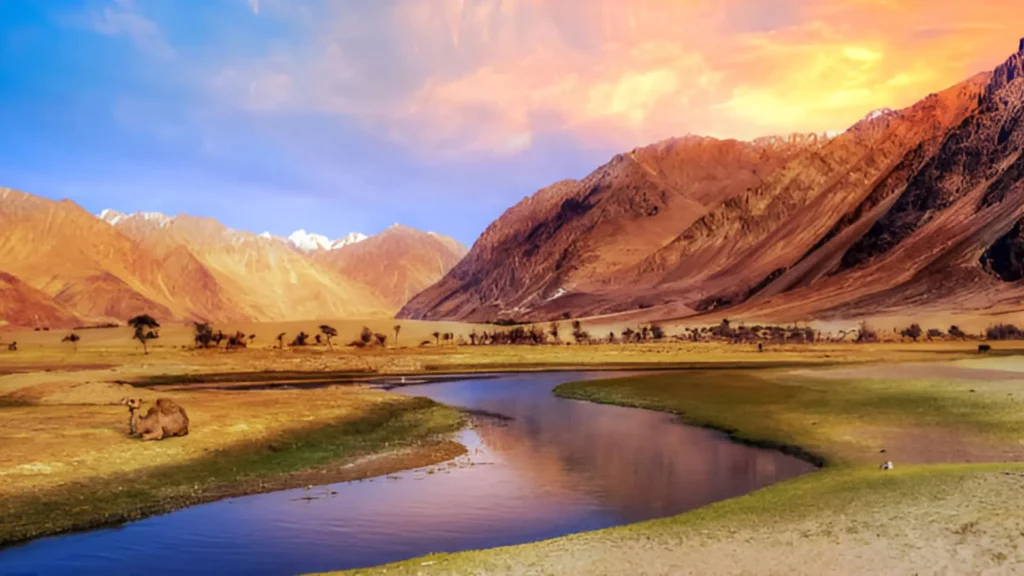
Just north of Leh across the mighty Khardung La Pass (one of the world’s highest motorable roads), this cold desert valley enchants with dunes, double-humped Bactrian camel safaris, and oasis villages. Don’t miss the Diskit Monastery, founded in the 14th century with its towering Buddha statue overlooking the Shyok River.
Also explore: Turtuk Village, a culturally distinct gem near the Line of Control that’s now trending among offbeat travellers.
2. Pangong Tso Lake
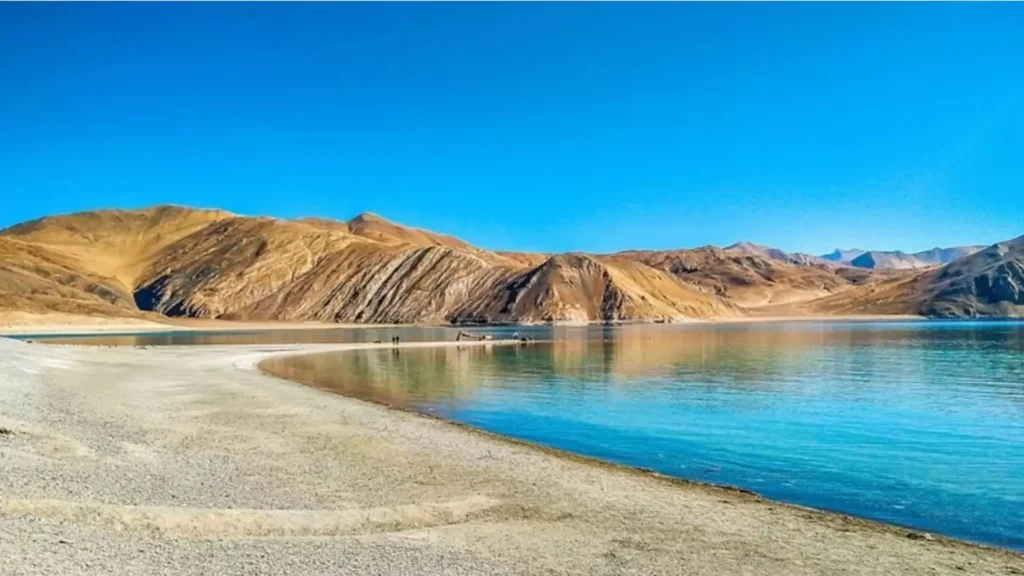
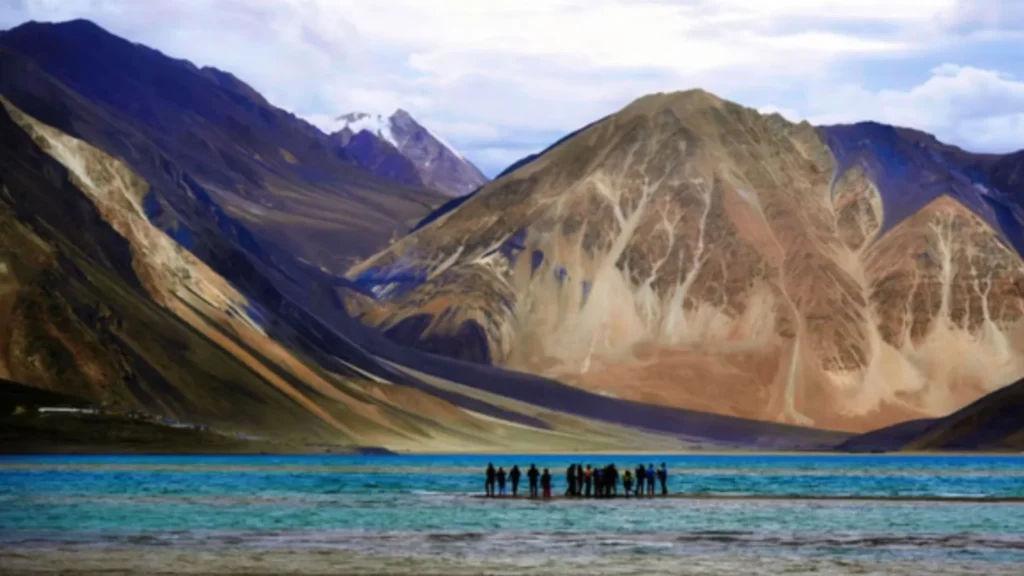
Among other things, Pangong Lake, situated at 14,270 feet, is one of the star attractions of the Ladakh region. The beautiful blue lake spans from India to Tibet for about 134 km, of which two-thirds are under China’s control. With its clear water, barren brown mountains, and migratory birds, Pangong Tso looks so surreal that it has been depicted in many Bollywood movies. Some of the best places to see the lake are in Spangmik village and Lukung village. Overnight camping by the lakeside is magical.
3. Tso Moriri Lake
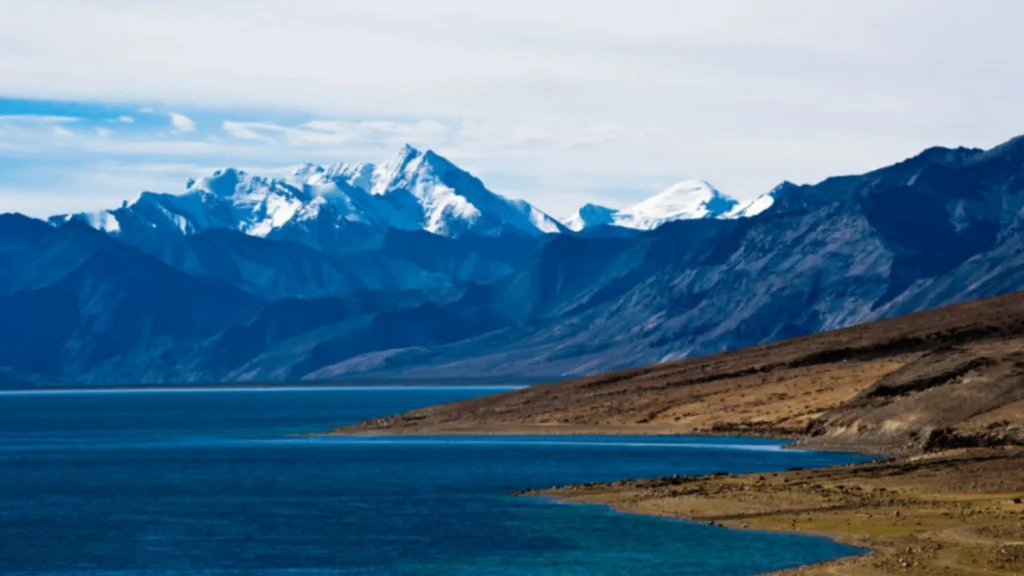
Tso Moriri is one of India’s highest lakes, standing at 15,075 feet above sea level. The clear blue water reflecting off the surrounding mountains makes for a beautiful view. One can find a lot of accommodation available in tented camps run by locals, which provide an opportunity to experience their nomadic lifestyle. This place boasts a bird-watchers’ paradise, where they can see migratory birds like bar-headed geese, great crested grebes, black-necked cranes, etc.
4. Hanle — India’s Dark Sky Reserve
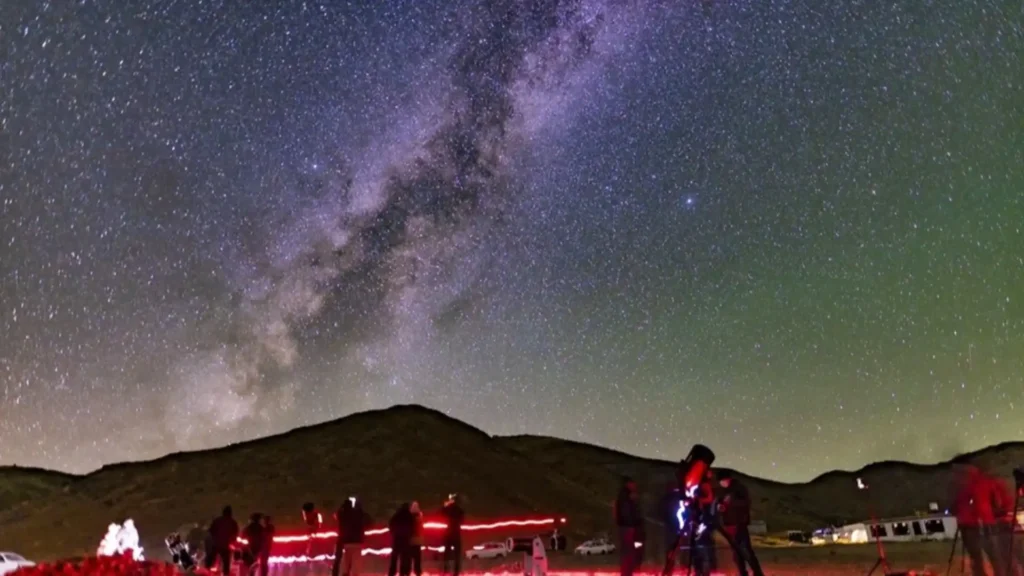
A trending new destination! Hanle is home to the Indian Astronomical Observatory and one of the clearest night skies on Earth. Stargazing here, spotting the Milky Way, meteor showers, and planetary alignments, is a life-changing experience. Guided astronomy tours are now available.
5. Umling La Pass
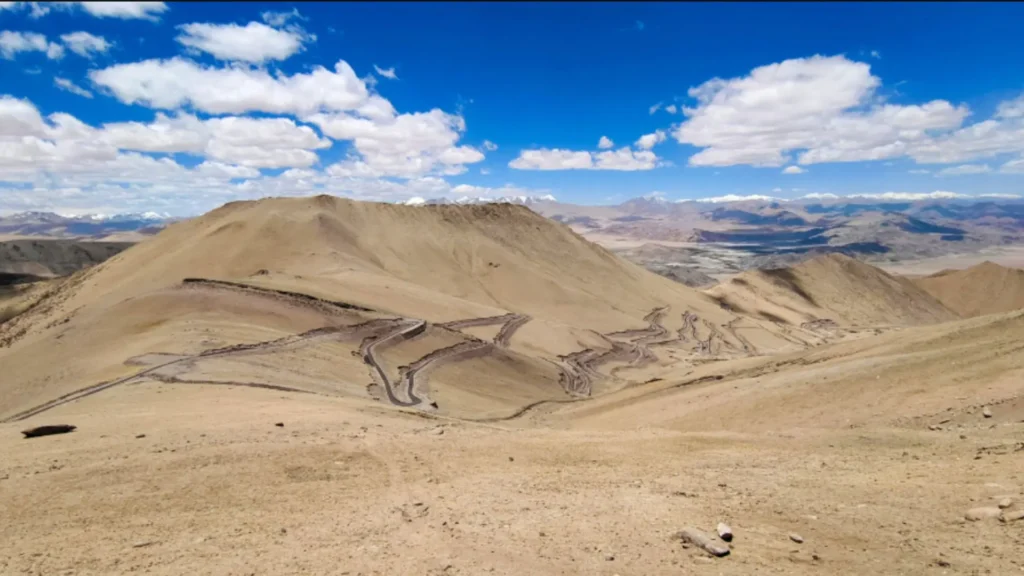
The world’s highest motorable road at 19,300 feet. Opened for tourism, it’s now one of the most sought-after drives for bikers and 4×4 enthusiasts. The views into the Changthang Plateau are extraordinary.
6. Leh Palace
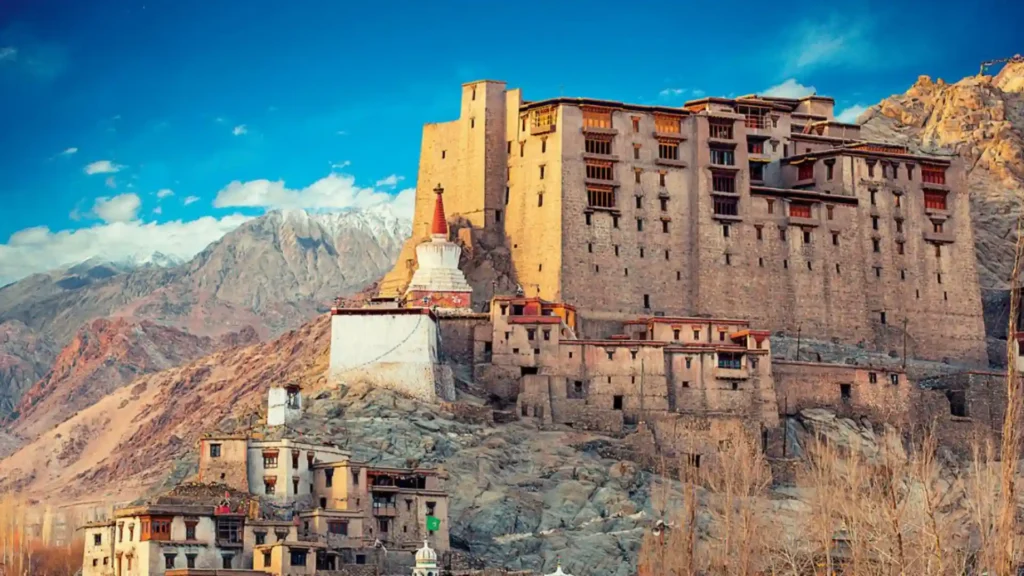
The 17th-century Leh Palace was made as a home for royalty and looked like the Potala Palace in Lhasa, Tibet. On top of Tsemo Hill, this massive structure that has fallen apart provides an insight into an ancient Ladakhi style of architecture and Ladakh history. Inside, there are beautiful frescoes and royal artefacts, including ceremonial costumes, on display. Such days provide a fabulous view of Stok Kangri Peak from the palace.
7. Shanti Stupa
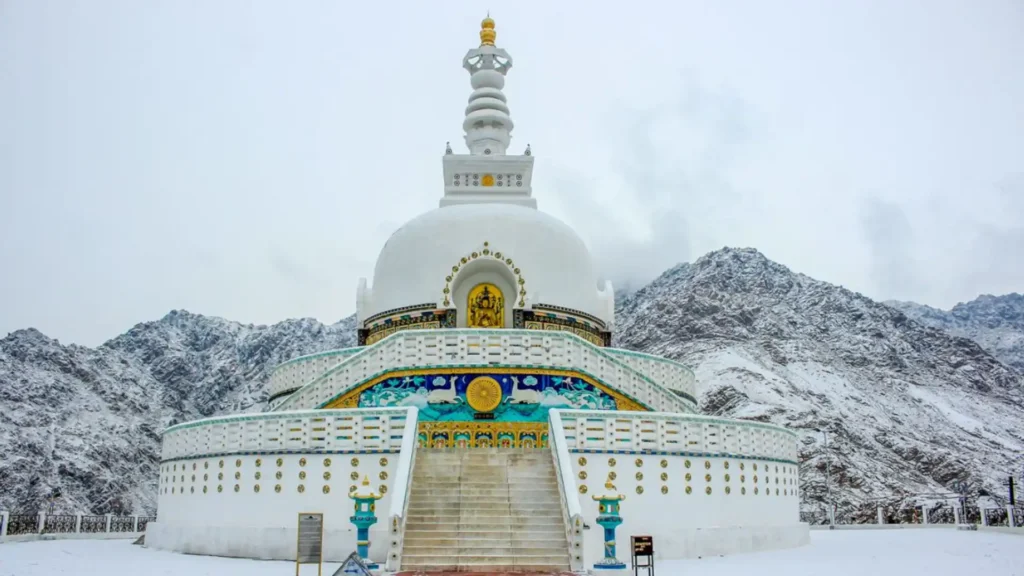
To promote peace worldwide, this is a brilliant white domed stupa built in 1991. In the early morning or late evening, when the hillside is lit up with vibrant colours, it looks best. There are steep steps to climb, but it’s worth it for a complete view of Leh town and the snow-capped peaks all around it.
8. Magnetic Hill
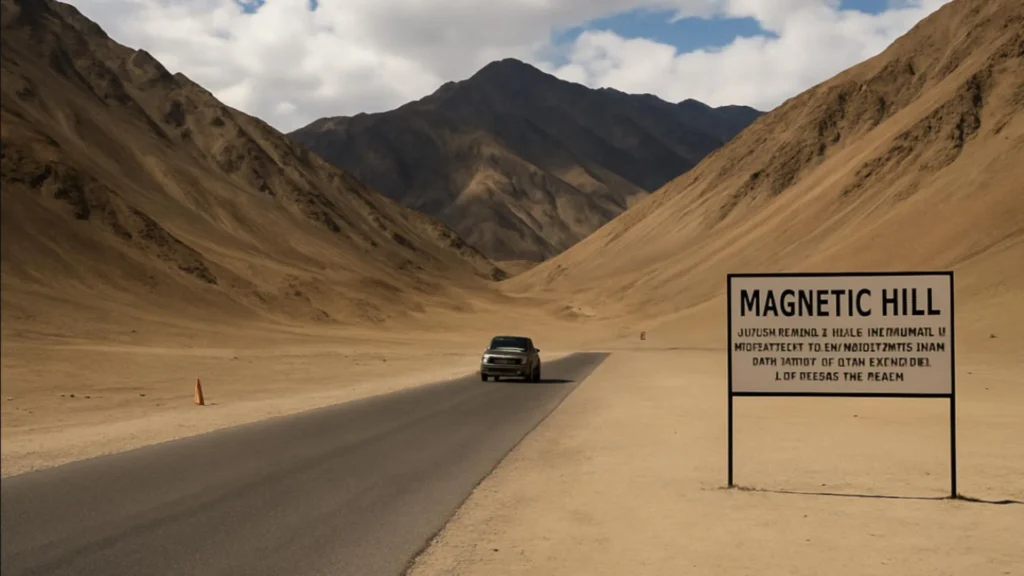
At Magnetic Hill, objects or cars appear to roll uphill even without any acceleration when people driving them switch off their engines. It is situated on the Leh-Kargil-Srinagar national highway and stands as an amazing example of visual illusion, with its landscape surrounded by hills.
9. Thiksey & Hemis Monasteries
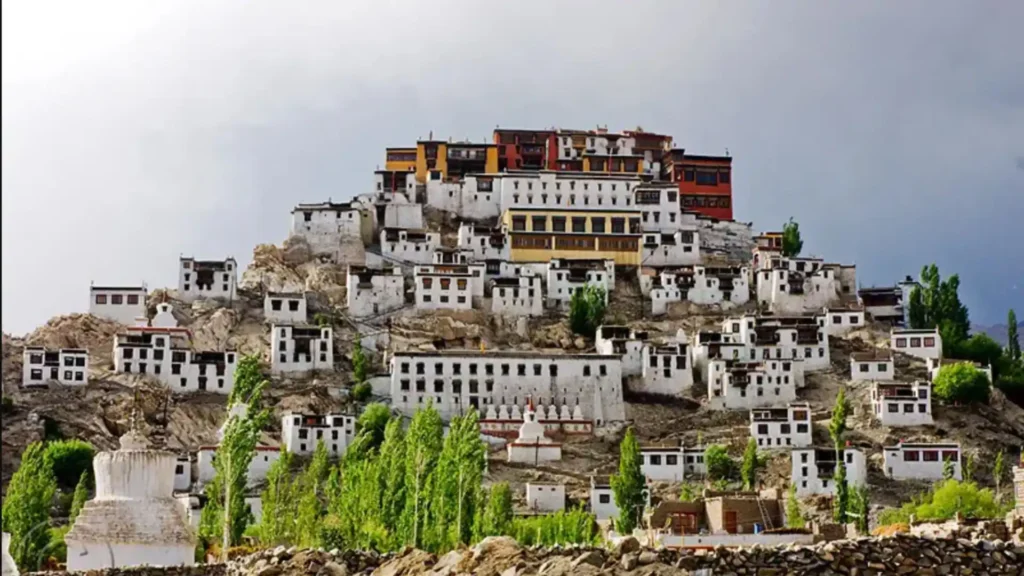
- Thiksey Gompa (founded 1430): Resembles Tibet’s Potala Palace, it’s one of the grandest in Ladakh. Morning prayers with monks are mesmerising.
- Hemis Monastery: The largest monastery in Ladakh and host of the colourful Hemis Festival in July — a celebration of Guru Padmasambhava’s birth anniversary.
10. Kargil War Memorial (Dras)
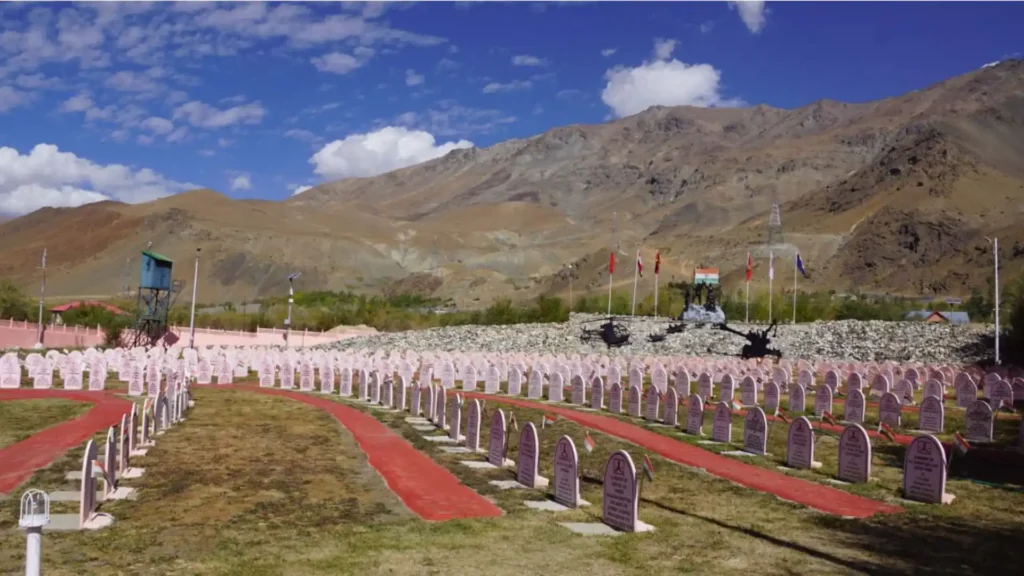
A solemn tribute to the soldiers of the 1999 Kargil War. The beautifully maintained memorial at Dras the second coldest inhabited place in the world, is deeply moving and historically significant.
Adventure Activities in Leh Ladakh
Leh Ladakh isn’t just about scenic drives and monasteries — it’s one of India’s top adventure destinations. Here’s what you can’t miss:
1. Trekking in Ladakh
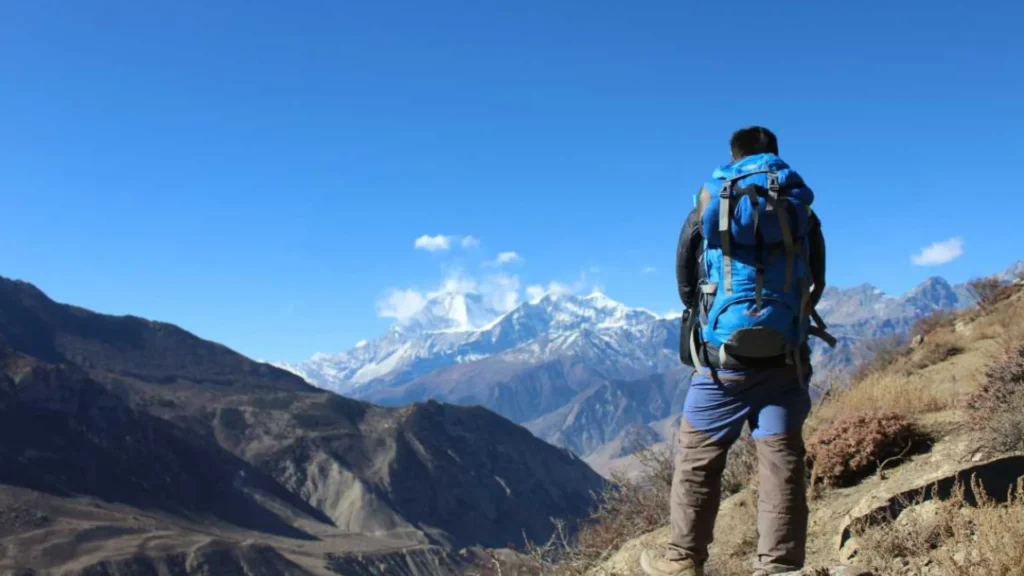
Ladakh is a trekker’s paradise, with trails for all levels:
| Trek | Difficulty | Duration | Highlights |
| Markha Valley Trek | Easy–Moderate | 5–8 days | Villages, monasteries, wildlife |
| Sham Valley Trek | Easy | 3 days | Perfect for beginners, riverside walks |
| Stok Kangri Trek | Difficult | 8–10 days | Summit at 6,153 m — technical climb |
| Chadar Trek | Difficult | 9–10 days | Walk on frozen Zanskar River (Jan–Feb) |
| Lamayuru–Padum Trek | Moderate | 10+ days | Remote villages, ancient monasteries |
Best time for trekking: May to September (Chadar Trek: January–February)
2. River Rafting on the Indus & Zanskar
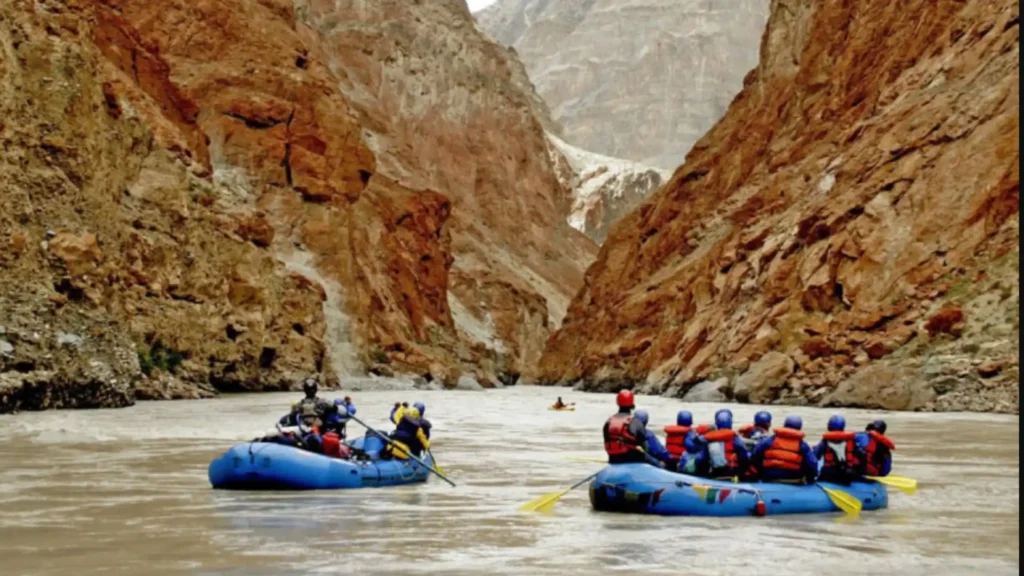
White-water rafting is among the most exhilarating things to do on a Leh Ladakh trip:
- Phey to Nimoo (Grade II–III): Perfect for beginners. Scenic, manageable rapids.
- Chilling to Nimoo (Grade III–IV): More intense, through dramatic gorges.
- Padum to Nimoo on the Zanskar River: The ultimate rafting expedition through spectacular canyon scenery.
Best time: June to September | Pro Tip: Always wear a wetsuit — the water is glacially cold!
3. Motorbike & Bicycle Touring
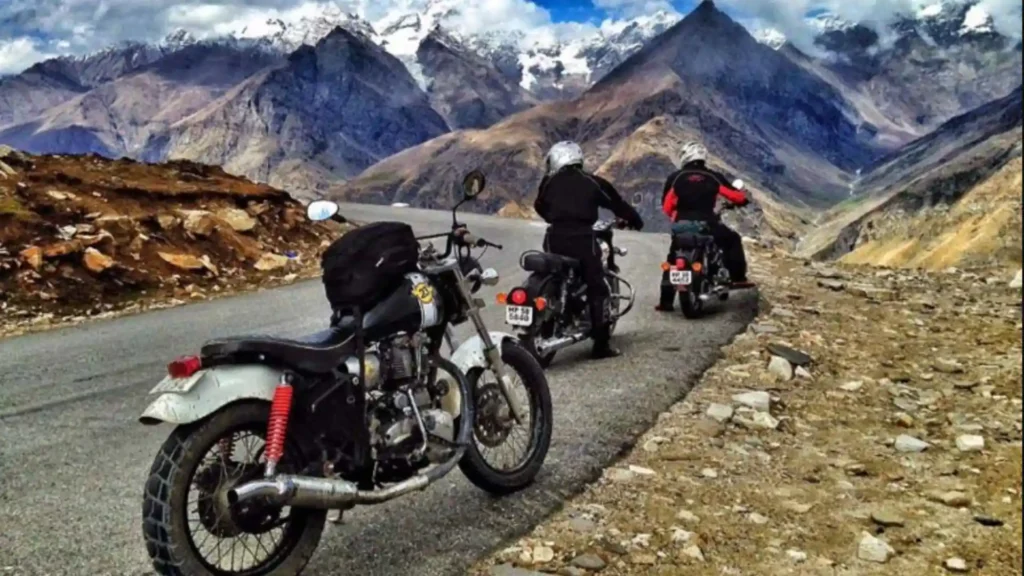
The dream of every biker — crossing Khardung La and Chang La on a Royal Enfield is an iconic Ladakh experience.
Popular biking routes:
- Leh → Khardung La → Nubra Valley (one of the world’s highest motorable roads)
- Leh → Chang La → Pangong Lake (160 km of stunning Himalayan terrain)
- Leh → Tso Moriri (high-altitude challenge with panoramic lake views)
- Leh → Umling La Pass (the world’s highest motorable road at 19,300 ft)
Bike rentals (Royal Enfield, KTM, mountain bicycles) are available in Leh. Acclimatize for at least 2 days before riding.
4.Paragliding
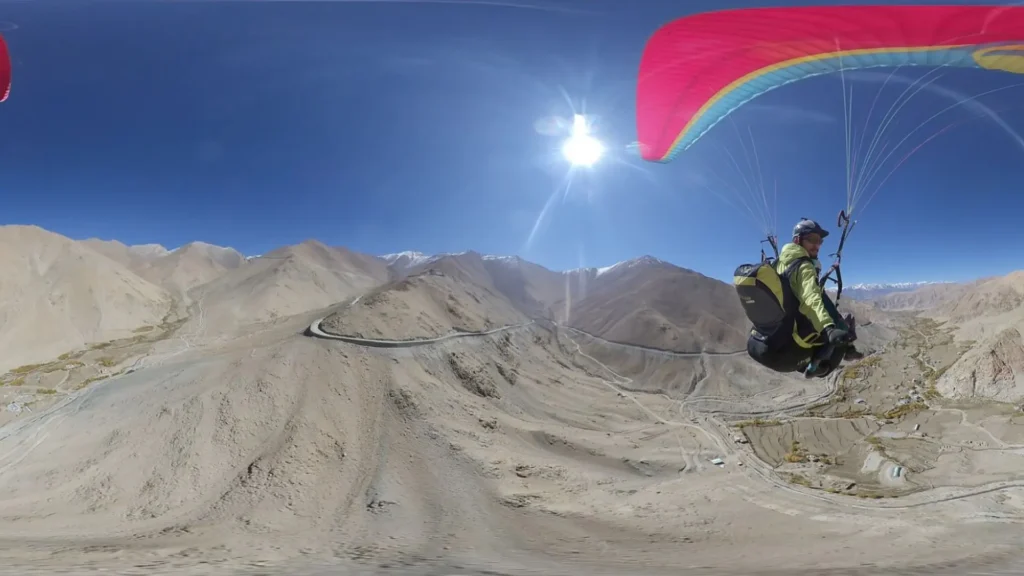
Get a bird’s-eye view of Leh’s valleys, rivers, and monasteries. Tandem paragliding with trained instructors is available near Leh, with strong wind currents making for thrilling flights.
5. Camping & Stargazing
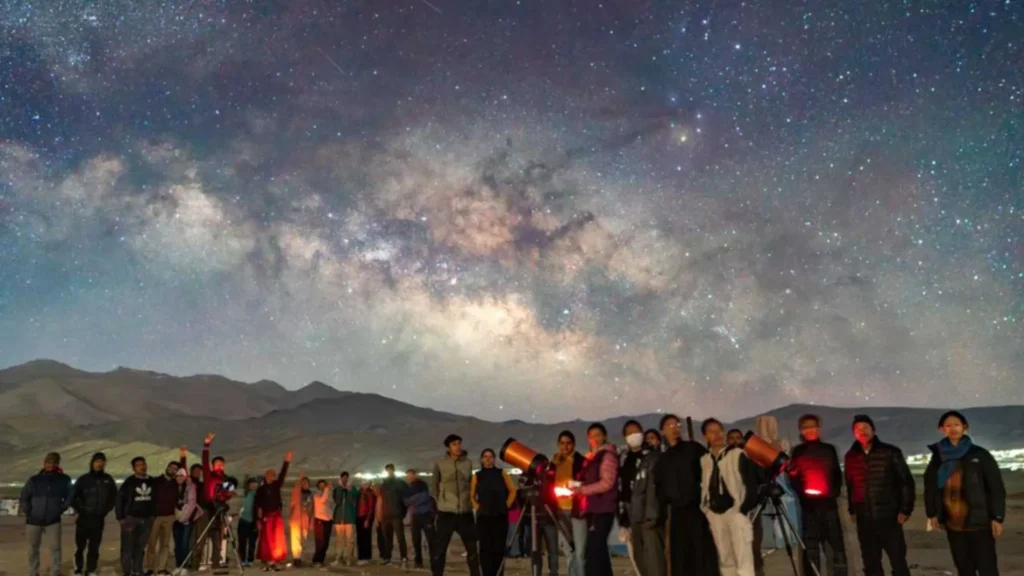
Camp under some of the darkest, clearest skies in the world:
- Pangong Tso: Lakeside camping with surreal colour-changing water
- Tso Moriri: Peaceful, wildlife-rich environment
- Nubra Valley: Desert camping with dunes and stars
- Hanle: Best stargazing in India, spot the Milky Way with the naked eye
6. Bactrian Camel Safari (Nubra Valley)
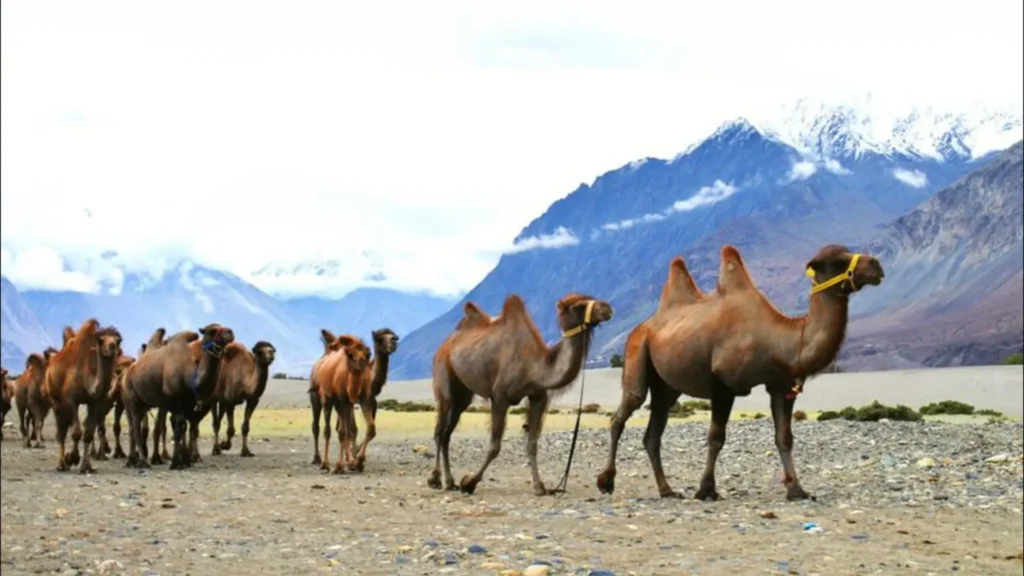
A one-of-a-kind experience in India, ride double-humped Bactrian camels across the dunes of Hunder in the Nubra Valley. These camels were once used on the Silk Route and are now a major tourist attraction.
7. Jeep & ATV Safaris
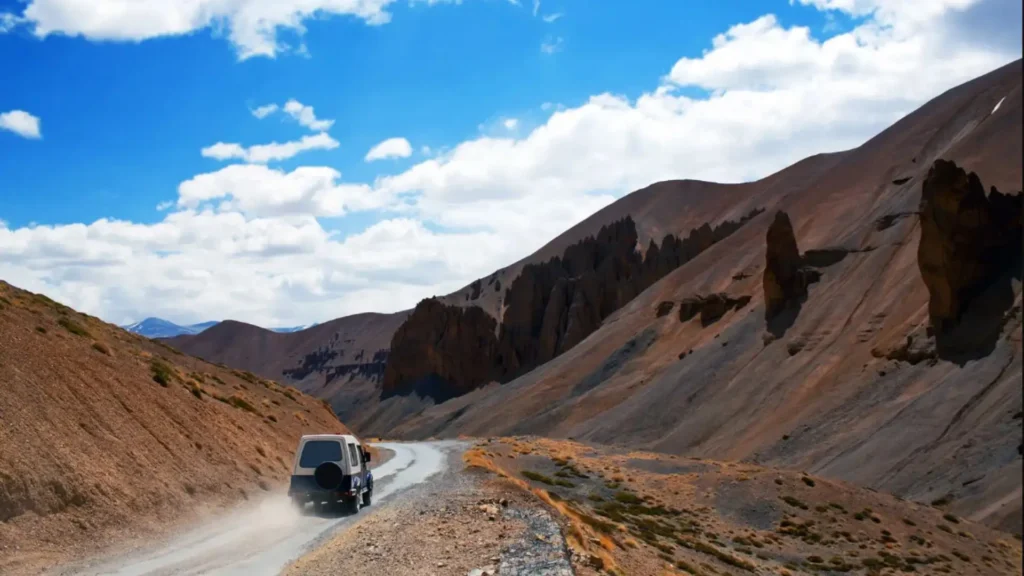
- Jeep safaris to remote locations like the Changthang Plateau, Sham Valley, and Zanskar Valley
- ATV (All-Terrain Vehicle) rides around Khardung La and Nubra Valley’s dunes
- Great for those who want off-road thrills without trekking
8. Mountaineering
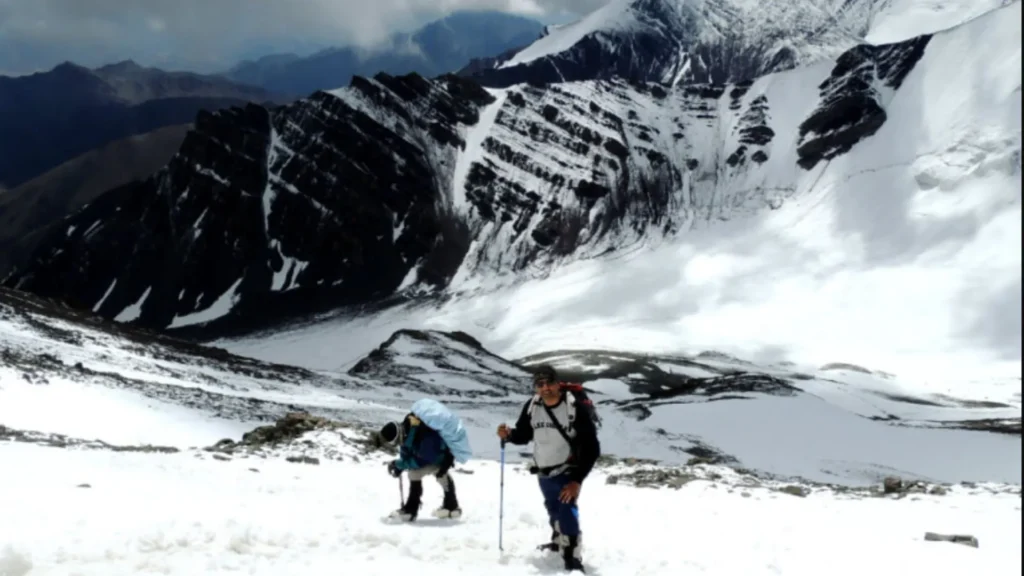
Ladakh’s four mountain ranges, the Himalayas, Zanskar, Ladakh, and Karakoram, offer peaks from 6,000 to 7,672 metres. Famous summits include:
- Stok Kangri (6,153 m): Most popular summit for recreational climbers
- Nun (7,135 m) & Kun (7,077 m): For experienced mountaineers
- Saser Kangri range: In the Karakoram, for expeditions
A permit from the Indian Mountaineering Foundation is required. Best season: June–September.
9. Zip-lining
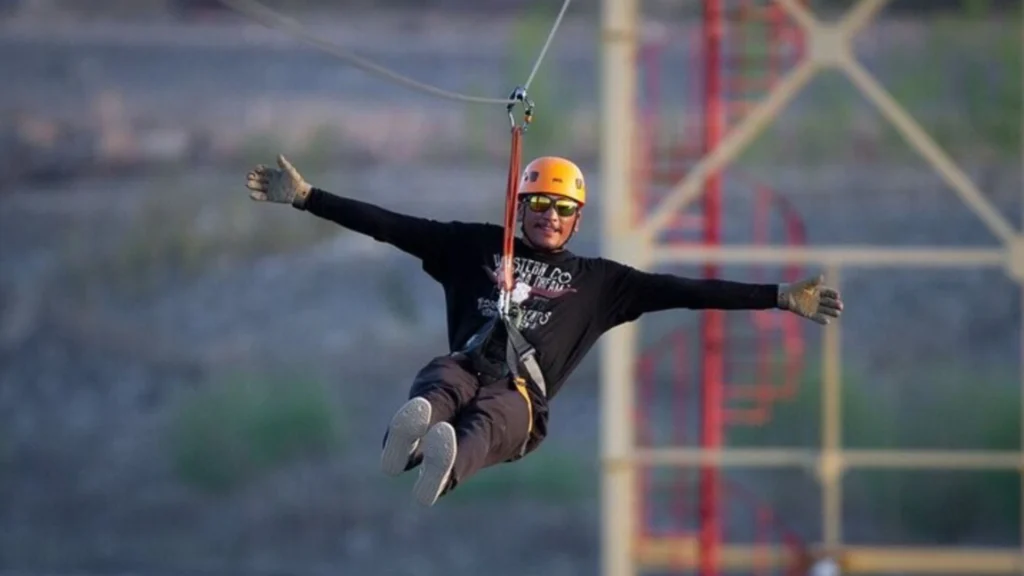
Zip-lining in Khalsar and Nubra Valley offers a thrilling aerial rush over the valley floor with views of rivers, mountains, and ancient monasteries. Suitable for all ages.
10. Ice Stupa Climbing (Winter)
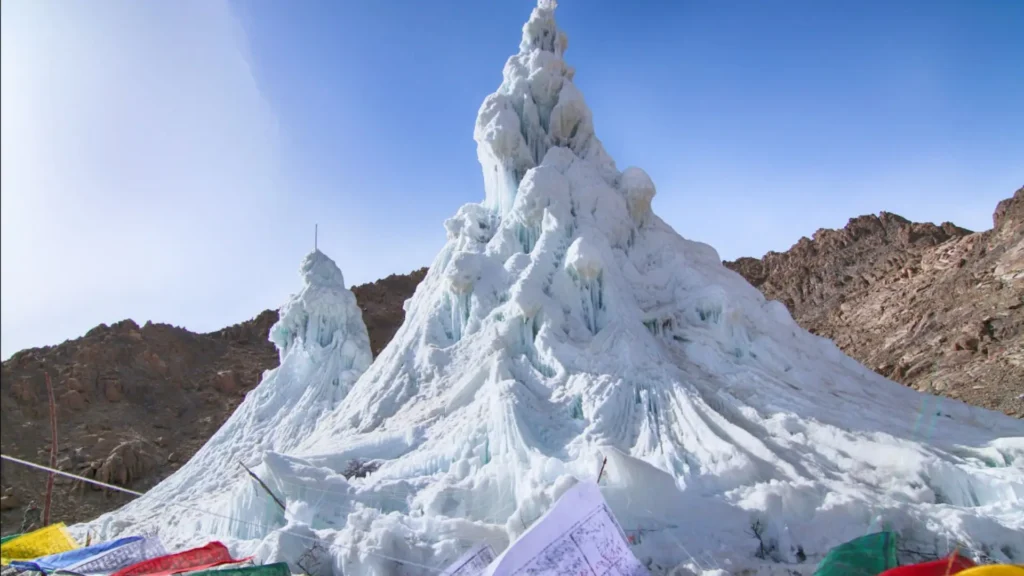
A uniquely Ladakhi experience: climb the man-made ice towers (Ice Stupas) created each winter to store glacial water. An unusual winter adventure in the Phyang Valley.
Where to Stay in Leh Ladakh
| Category | Options |
| Luxury | The Grand Dragon Ladakh, The Zen Ladakh, Stok Palace Hotel |
| Mid-range | Hotel Chanaya, Hotel Karma Inn, Hotel Singge Palace |
| Budget | Guesthouses in Leh town from ₹800/night |
| Camps | Pangong Tso lakeside tents, Nubra Valley desert camps |
| Homestays | Local Ladakhi families in Turtuk, Hunder, and Rumtse villages |
Local Food to Try on Your Ladakh Trip

Food in Ladakh
Being a remote location, vegetation is limited in Ladakh, where fresh supplies come from other parts of the country. Some local dishes as well as Tibetan cuisine worth trying include:
Thukpa: noodle soup with vegetables or meat
Momos: steamed dumplings filled with vegetables or meat
Tigmo: steamed bread served with stew or vegetables
Skyu: pasta cooked in curd-based gravy
Cha Kampo: chai with barley bread
Khambir: local bread served with butter tea.
Chang: local barley beer.
Every restaurant in Leh offers a variety of cuisines, such as Indian, Chinese, Continental, and Italian dishes, among others. Some popular eateries include Gesmo Restaurant, Tibetan Kitchen, La Piazzetta, Cafe Jeevan, Cafe Cloud, Penguin Garden Restaurant, etc.
Final Word
Leh Ladakh is a place where you leave the noise behind and find something bigger than the mountains, the quiet in your own breath. Whether you glide past monasteries, cross the world’s highest motorable passes on a motorbike, camp under a sky blazing with stars at Pangong, or raft through the icy gorges of the Zanskar, Leh speaks in a language beyond words.