Nestled in the lap of the Himalayas at an altitude of 2,205 metres, Shimla is one of India’s most loved hill stations. Known as the Queen of Hills, this charming destination offers a perfect mix of natural beauty, colonial architecture, and pleasant weather throughout the year. Once the summer capital of British India, Shimla still reflects its old-world charm through beautiful buildings, scenic streets, and timeless appeal.
From the lively Mall Road to the panoramic views at The Ridge, every corner of Shimla has something special to offer. Whether you’re planning a romantic trip, a family vacation, or a quick weekend escape, Shimla promises unforgettable experiences with snow-covered mountains, lush greenery, and a relaxed pace of life.
In this complete Shimla travel guide, you’ll find everything you need to plan your trip — including the best time to visit, how to reach, top places to see, things to do, where to stay, and budget-friendly tips.
Quick Facts at a Glance
| State | Himachal Pradesh |
| Elevation | 2,205 metres (7,234 ft) above sea level |
| Best Time to Visit | March–June (Summer) | Dec–Feb (Snow) |
| Nearest Railway | Kalka (UNESCO Toy Train connects to Shimla) |
| Nearest Airport | Shimla Airport (~20 km from city centre) |
| Budget (Per Day) | ₹1,000–₹3,000 (budget) | ₹5,000+ (luxury) |
| Ideal Duration | 3–5 Days |
| Language | Hindi, Pahari |
Best Time to Visit Shimla
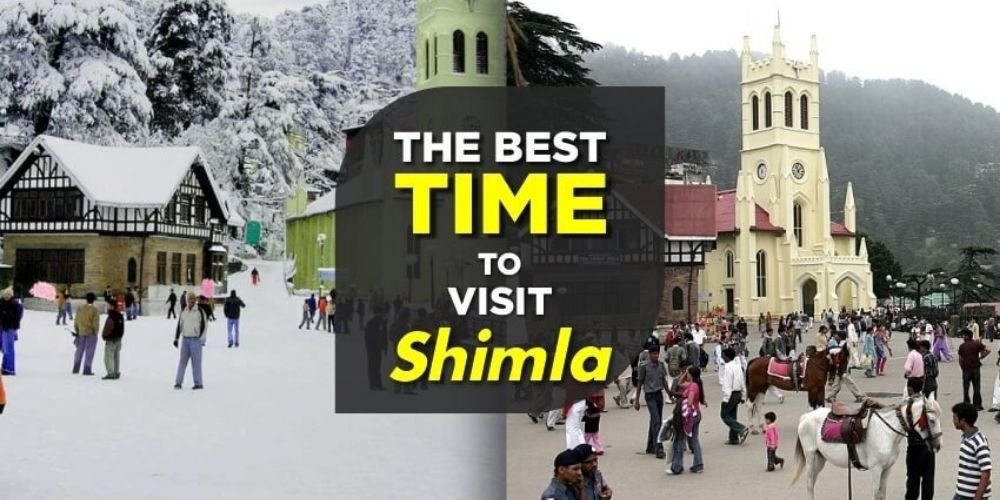
Shimla is a year-round destination, with each season offering a unique charm. Knowing what every season brings will help you plan the perfect time for your visit.
Summer (March to June)
This is the most popular season and arguably the best time for most travellers. Temperatures hover between 8°C and 25°C, making the weather exceptionally pleasant. The hills are lush and green, skies are relatively clear, and all outdoor activities are fully accessible.
Mall Road buzzes with energy, and the local food stalls are in full swing. Book accommodation well in advance if you plan to travel during April and May.
Monsoon (July to September)
The monsoons bring a dramatic transformation — misty clouds swirl around the valleys, the forests deepen to a rich emerald, and waterfalls appear on hillsides. However, there is a risk of landslides on mountain roads, and visibility can be poor.
If you love moody, atmospheric landscapes and don’t mind the occasional disruption, this can actually be a magical and crowd-free time to visit.
Autumn (October to November)
Post-monsoon Shimla is crisp, clear and sparkling. The air quality is excellent, views of the Himalayan peaks are at their sharpest, and the crowds of peak summer have thinned.
This is an excellent season for photography and hiking. Temperatures begin to drop by November.
Winter (December to February)
For those who dream of snowfall, this is the season. Shimla receives heavy snow between December and February, transforming the city into a winter wonderland. The natural ice-skating rink near the Ridge comes alive, and nearby Kufri becomes a skiing destination.
However, roads can be blocked after heavy snowfall, so keep your plans flexible and check conditions before travelling. Carry heavy woolens — temperatures can plunge well below freezing at night.
How to Reach Shimla
By Air
Shimla Airport (also known as Jubbarhatti Airport) is located approximately 20 Kms from the city Centre. Direct flights connect Shimla to Delhi and Chandigarh on select airlines. However, flights are limited and tend to be more expensive. This option suits travelers coming from distant cities or those pressed for time.
By Train
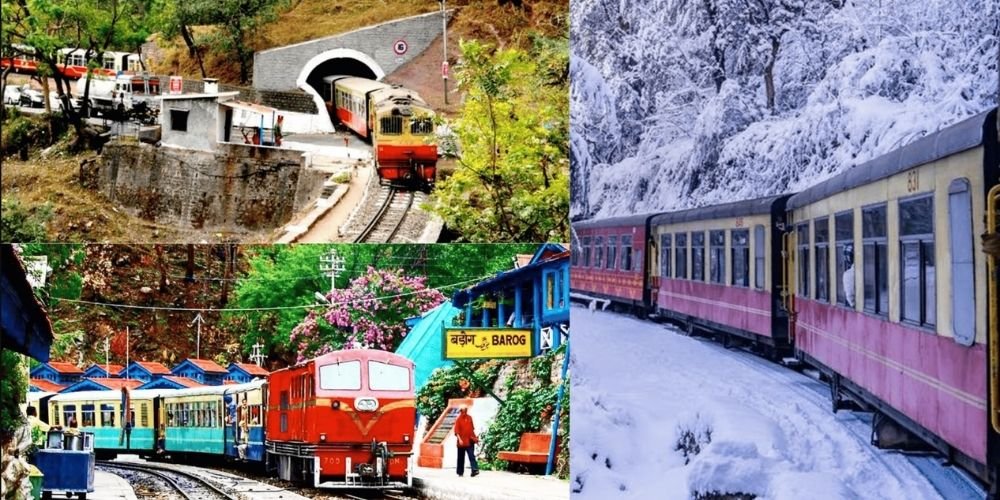
The most scenic way to reach Shimla is by train. Book a train to Kalka (the last major railhead on the Indian Railways grid), then hop on the famous Kalka-Shimla Toy Train. This narrow-gauge journey of roughly 96 kms winds through 102 tunnels, crosses 864 bridges, and passes through quaint mountain villages and thick pine forests. The journey takes about 5–6 hours but is a bucket-list experience.
Travel Tip: Book the Vistadome coach on the Kalka-Shimla Toy Train for panoramic views. Sit on the left side (facing Shimla) for the best valley views; the right side offers more tunnel experiences. Book via IRCTC in advance, especially during peak season.
By Bus
Buses are the most affordable and frequently available option. Himachal Road Transport Corporation (HRTC) operates both regular and Volvo buses from Delhi (ISBT Kashmiri Gate), Chandigarh, Ambala, and other North Indian cities. The journey from Delhi takes approximately 9–10 hours by overnight bus, making it a cost-effective option for budget travelers.
By Road (Self-Drive or Taxi)
Shimla is well connected by road via NH-5. The drive from Delhi takes approximately 7–8 hours (about 350 km). The route via Chandigarh is the most common. A self-drive trip allows flexibility to stop at Pinjore Gardens, Parwanoo, and Solan along the way. Taxis can also be hired for the entire one-way or round journey.
Top Places to Visit in Shimla
1. The Ridge & Mall Road
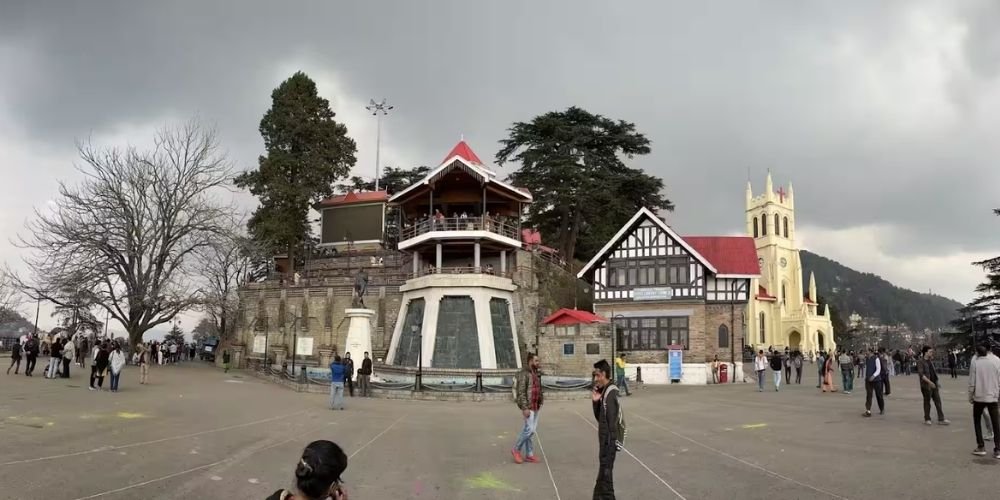
The heart of Shimla is The Ridge, a wide open space at the top of the town that offers beautiful views of snow-covered mountains and valleys. At one end stands the famous Christ Church, known for its stunning design and colourful glass windows.
Just below the Ridge is Mall Road, the busiest street in Shimla. It is full of shops, cafes, and old buildings. Since vehicles are not allowed here, it’s perfect for a relaxed walk.
A useful tip: Visit the Ridge early in the morning for peaceful views and great photos. Come back in the evening to enjoy the lights, lively atmosphere, and occasional live shows.
Best time to visit:
- Morning: Calm, misty, perfect for photos
- Afternoon: Lively with shops and street activity
- Evening: Romantic vibe with lights and music
2. Jakhoo Temple
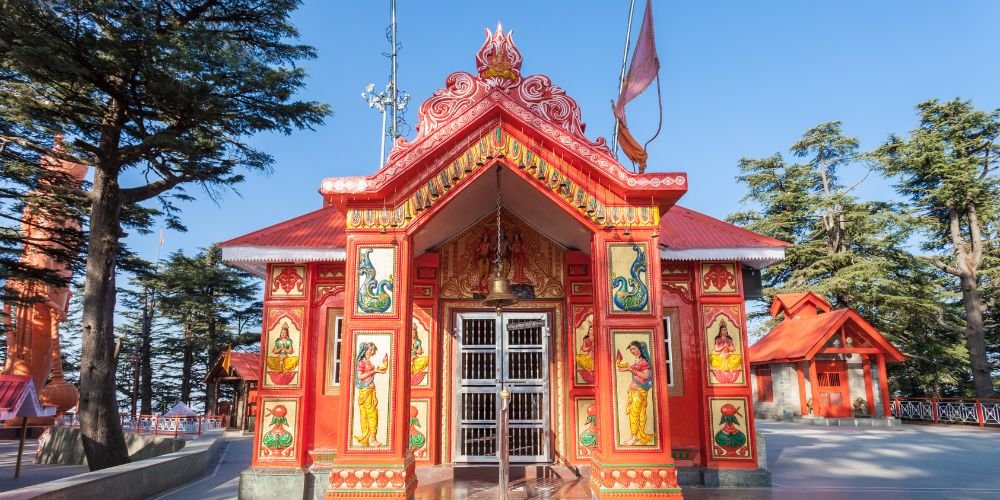
Located at the top of Jakhu Hill, the highest point in Shimla (2,455 metres), Jakhoo Temple is one of the most important religious places in the city. It is dedicated to Lord Hanuman and is believed to be the spot where he rested while searching for the Sanjeevani herb. A huge 33-metre-tall Hanuman statue, visible from many parts of Shimla, marks the temple.
You can reach the temple by a 30–45 minute walk from the Ridge through a forest trail. Be careful of monkeys along the way, as they often try to grab food or loose items.
Once you reach the top, you’ll be rewarded with amazing views of Shimla and the surrounding Himalayan mountains — totally worth the effort.
Local Tip: Avoid carrying plastic bags or food items visibly — the monkeys at Jakhoo are legendary for their audacity. Many locals recommend hiring a stick from vendors near the trailhead.
3. Scandal Point
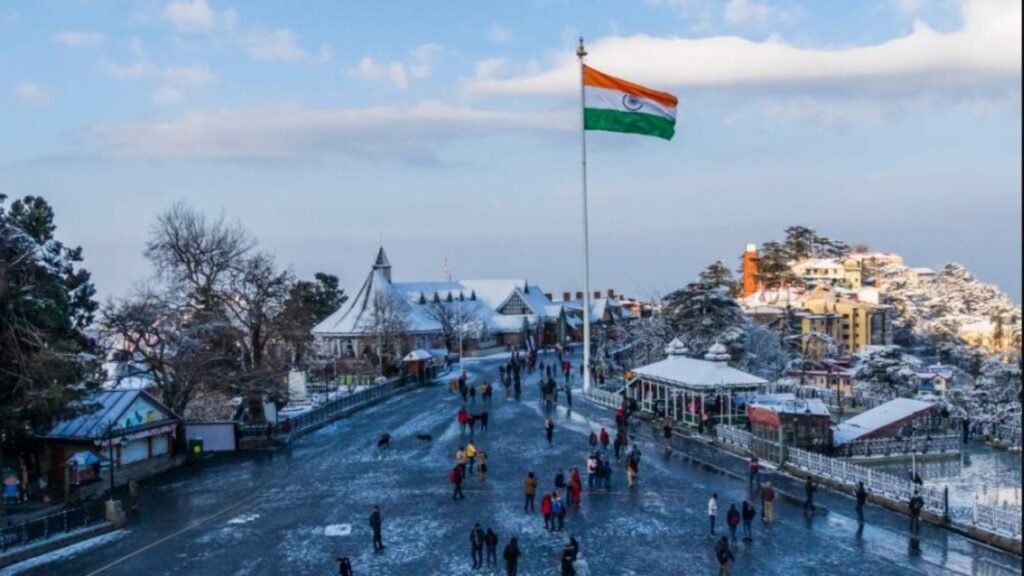
Located at the junction of Mall Road and The Ridge, Scandal Point is one of the most famous and lively spots in Shimla. It’s a popular meeting place for tourists and locals, offering beautiful views of the surrounding mountains and valleys.
The place gets its interesting name from a local legend. It is said that the Maharaja of Patiala once eloped with the daughter of a British official from this very spot, which caused a major “scandal” during that time—hence the name Scandal Point.
Today, it’s a perfect place to relax, take photos, and enjoy the cool mountain breeze. You’ll often find street performers, small stalls, and a lively crowd here, especially in the evening.
4. Viceregal Lodge (Rashtrapati Niwas)
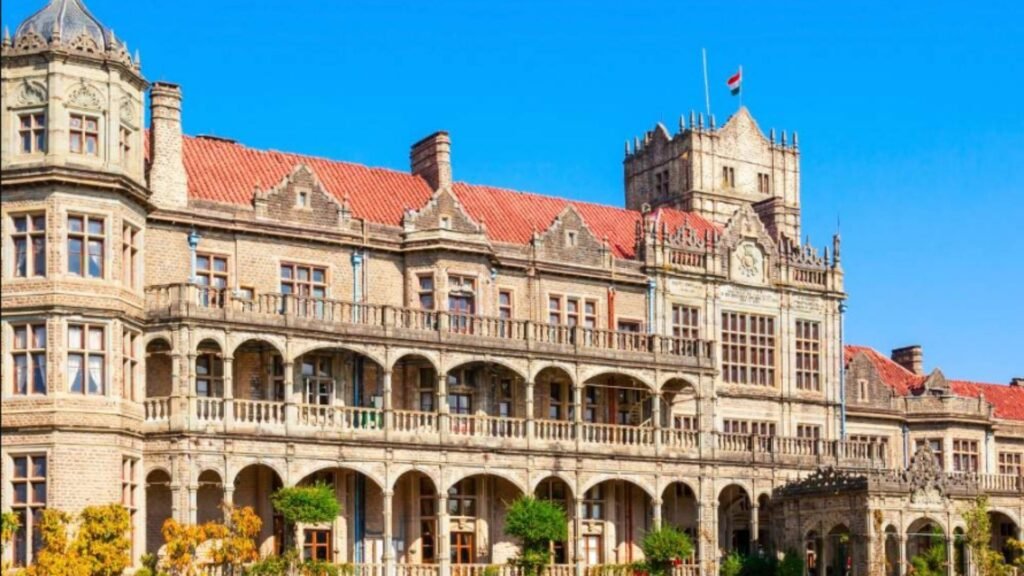
Viceregal Lodge is one of the best examples of British-era architecture in Shimla. Built in 1888, it was once the home of the British Viceroy. Surrounded by beautiful gardens, the building is now home to the Indian Institute of Advanced Studies.
Many important decisions in Indian history were made here, including meetings related to India’s independence.
You can take a guided tour inside the building, which is highly recommended. The grand halls, old library, and well-maintained gardens give you a glimpse of life during the British rule in India.
5. Kufri
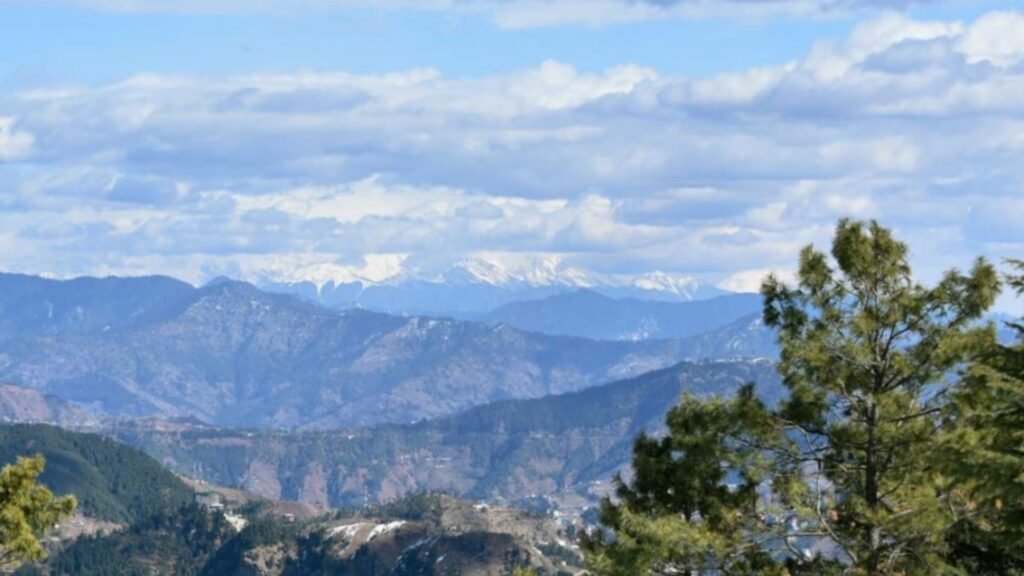
Kufri, located about 13 km from Shimla, is a small and beautiful hill destination. It is especially popular in winter when the area is covered in snow, making it perfect for activities like skiing and tobogganing.
In summer, visitors can enjoy pony rides to Mahasu Peak and explore the Himalayan Nature Park, which is home to animals like snow leopards, deer, and pheasants.
While many tourists stay around the main busy area, a short walk away will take you to quieter snow-covered spots where you can enjoy peaceful surroundings and untouched natural beauty.
6. Naldehra & Mashobra
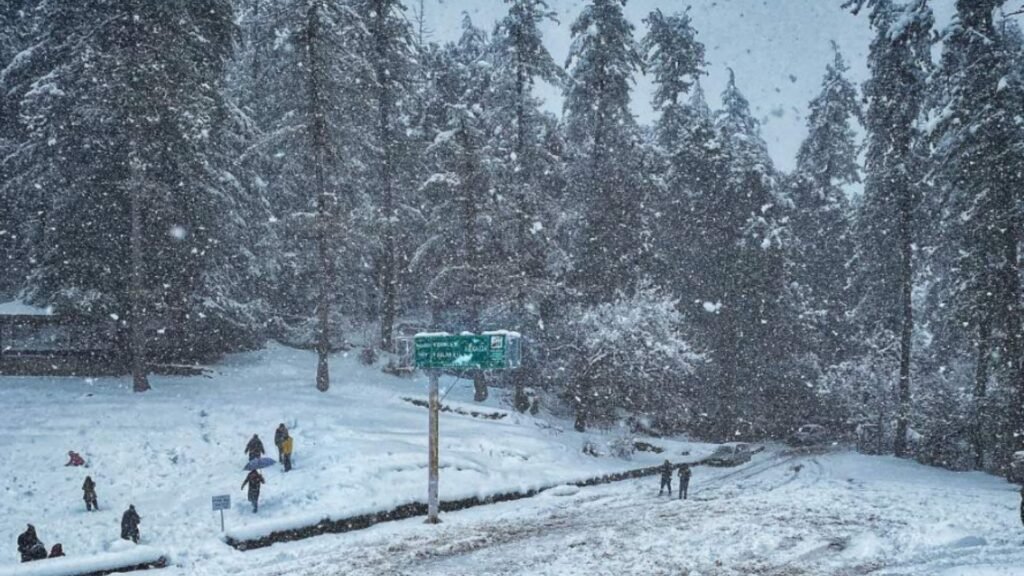
About 23 kilometres from Shimla, Naldehra is home to one of the oldest golf courses in India, laid out by the British Viceroy Lord Curzon. The course sits amid dense cedar forests and offers a uniquely serene experience. Nearby Mashobra is a charming village with apple orchards and forest walks, largely bypassed by mainstream tourists.
7. Chadwick Falls
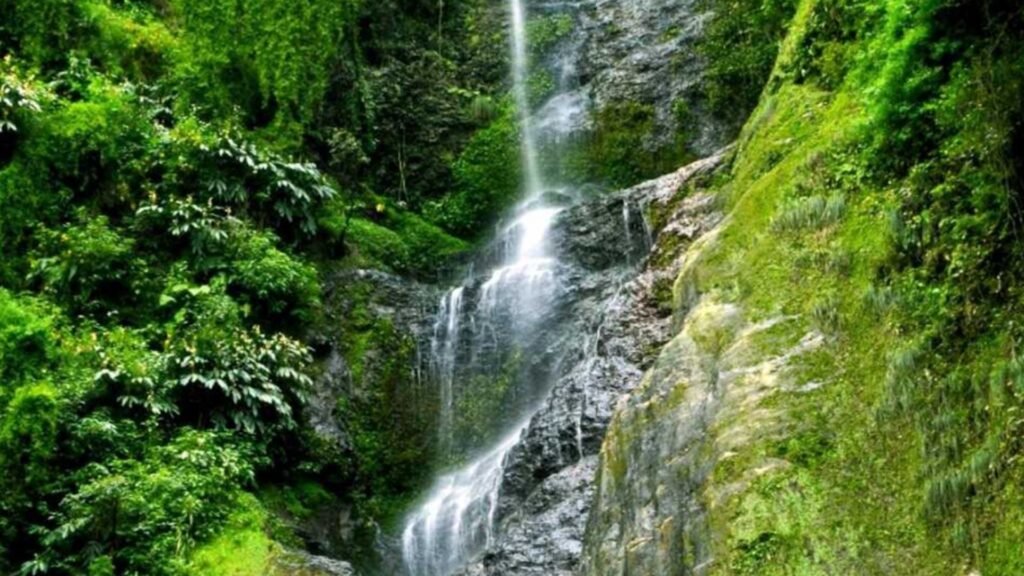
Hidden within a dense forest reserve near Summer Hill, Chadwick Falls is a 67-metre waterfall that is most impressive during and just after the monsoon season. The walk through the forest to reach the falls is itself a meditative experience. This is a favourite picnic spot for locals and an excellent off-the-beaten-path destination for tourists who want to escape the crowds.
8. Tattapani
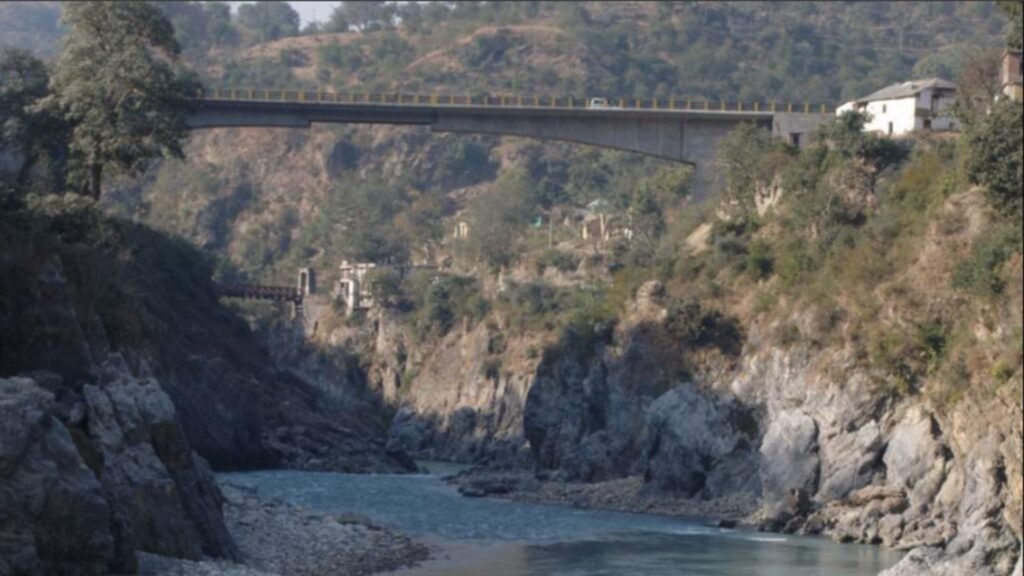
About 51 kilometres from Shimla, Tattapani (meaning ‘hot water’ in Hindi) sits on the banks of the River Sutlej and is famous for its natural sulphur hot springs. After a day of sightseeing or trekking, soaking in the therapeutic waters here is deeply restorative. The river also offers white-water rafting opportunities for adventure seekers.
9. Christ Church & St. Michael’s Cathedral
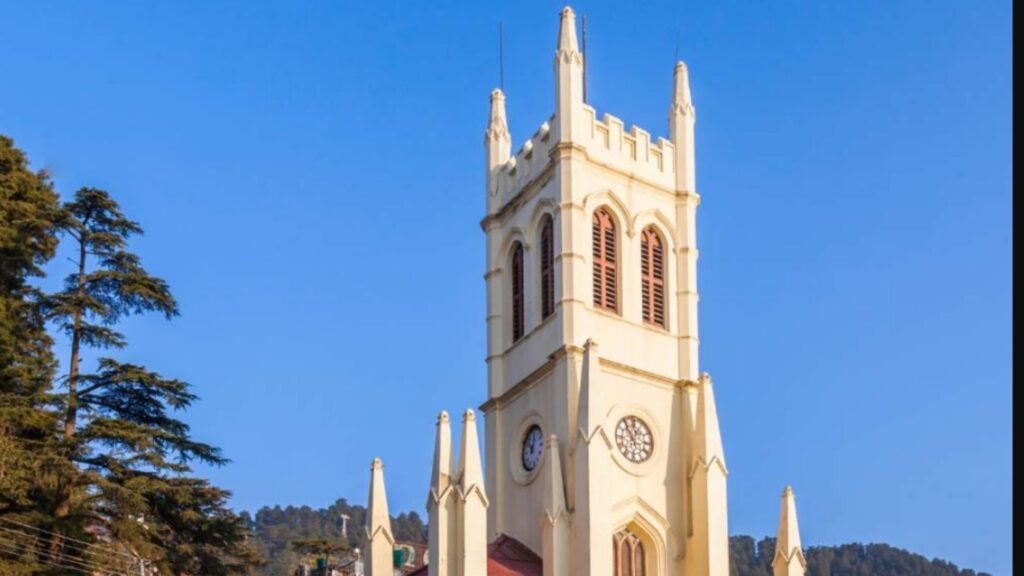
Built in 1857, Christ Church is one of the oldest churches in North India and a defining landmark of Shimla’s skyline. Its neo-Gothic architecture, five stained-glass windows representing Faith, Hope, Charity, Fortitude, and Patience, and its prominent position on the Ridge make it an unmissable stop. St. Michael’s Cathedral, nearby, offers a serene atmosphere with beautiful architecture and a peaceful garden.
Best visited in the evening when the church is beautifully illuminated against the darkening sky.
Things to Do in Shimla
Trekking & Hiking
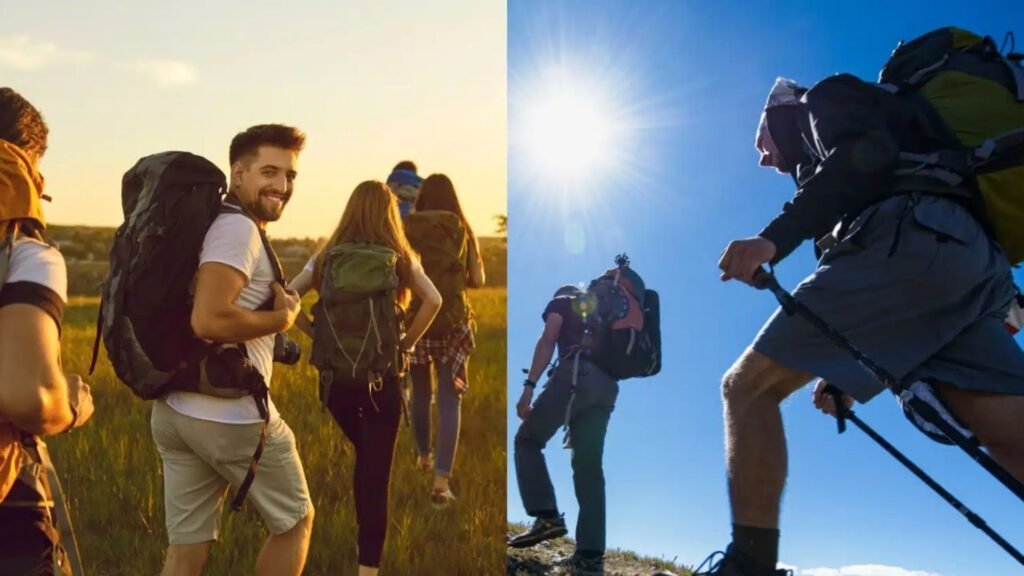
Shimla serves as an excellent base for trekking in the surrounding mountains. The Jakhu Hill trek, the Chail via Kufri trek, and the Hatu Peak trek near Narkanda are popular options. More serious trekkers can attempt routes into the higher Himalayan valleys from nearby staging points.
Skiing
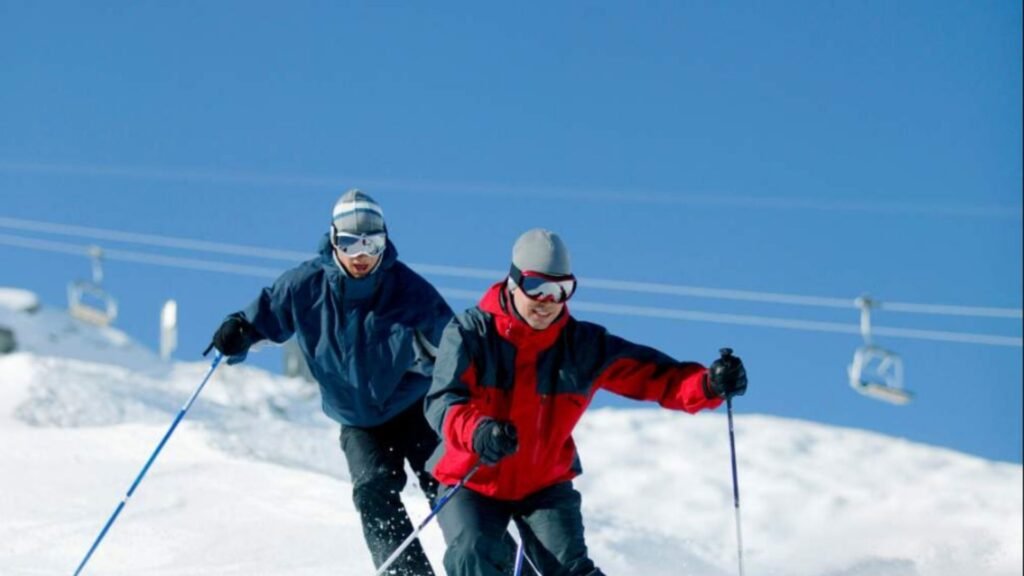
Kufri transforms into a ski destination between December and February. The slopes are suitable for beginners and intermediate skiers. Equipment rental is available on-site. Narkanda, about 65 kilometres from Shimla, offers even better skiing terrain and a more authentic mountain experience.
Ice Skating
The natural ice-skating rink near the Ridge — the only one of its kind in South Asia — opens during winter months when temperatures drop sufficiently to freeze the rink naturally. Entry tickets are affordable, and skate rental is available. Watching locals glide effortlessly while beginners wobble on their first steps is endlessly entertaining.
Toy Train Ride
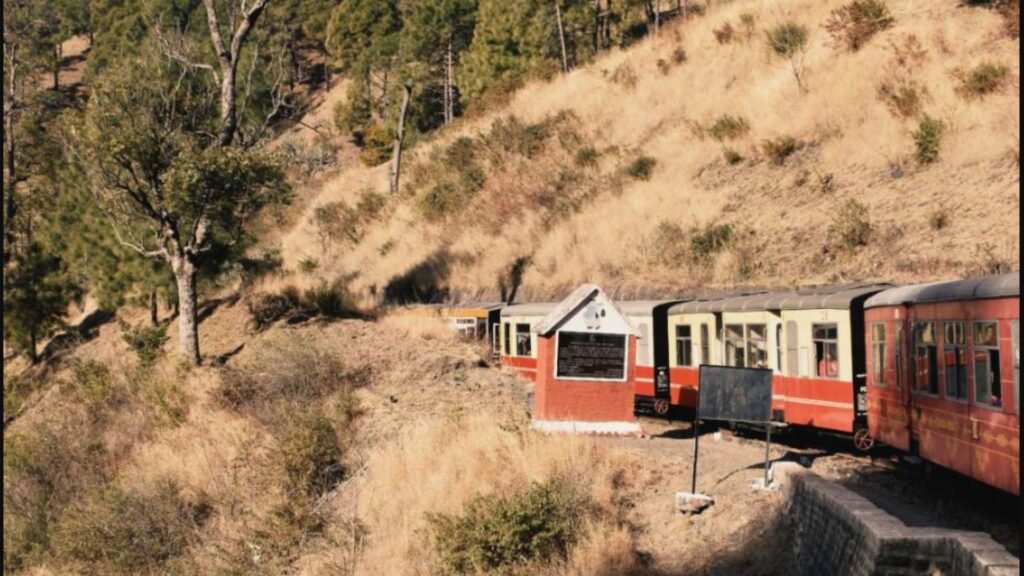
Riding the Kalka-Shimla Toy Train is not merely transportation — it is an experience. The narrow-gauge train clatters through tunnels, crosses slender viaducts, and crawls along mountain ledges at a pace that invites contemplation. Even if you have arrived by road, consider taking a short round-trip segment of the journey just to savour the experience.
Heritage Walks
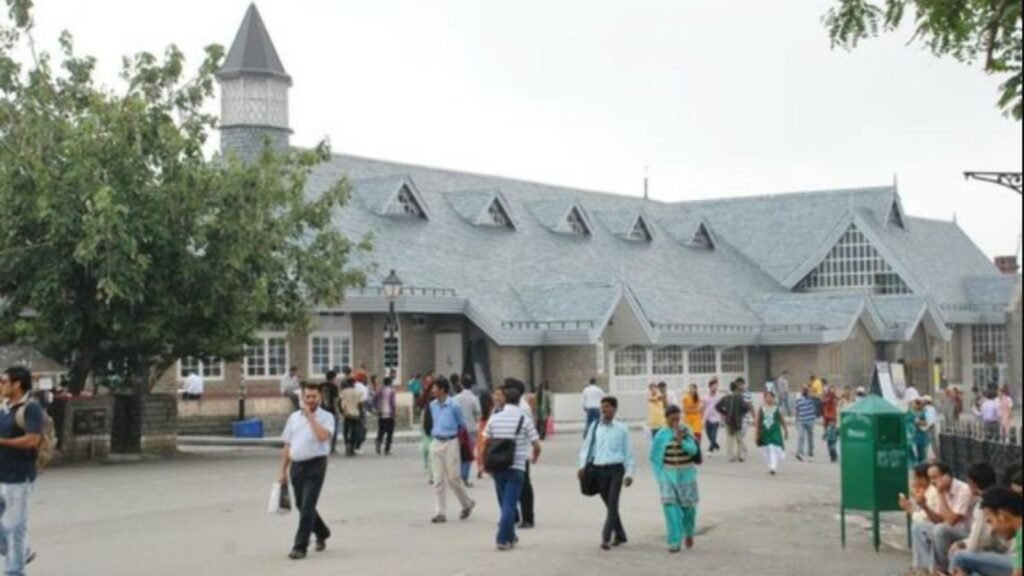
Shimla’s colonial past is best explored on foot. The Heritage Zone around Mall Road, the Ridge, and Lakkar Bazaar is a pedestrian-only area that allows you to wander at leisure past century-old buildings, each with its own story. Pick up a heritage walk map from the tourist office or join a guided walk to get the full backstory.
Shopping at Lakkar Bazaar
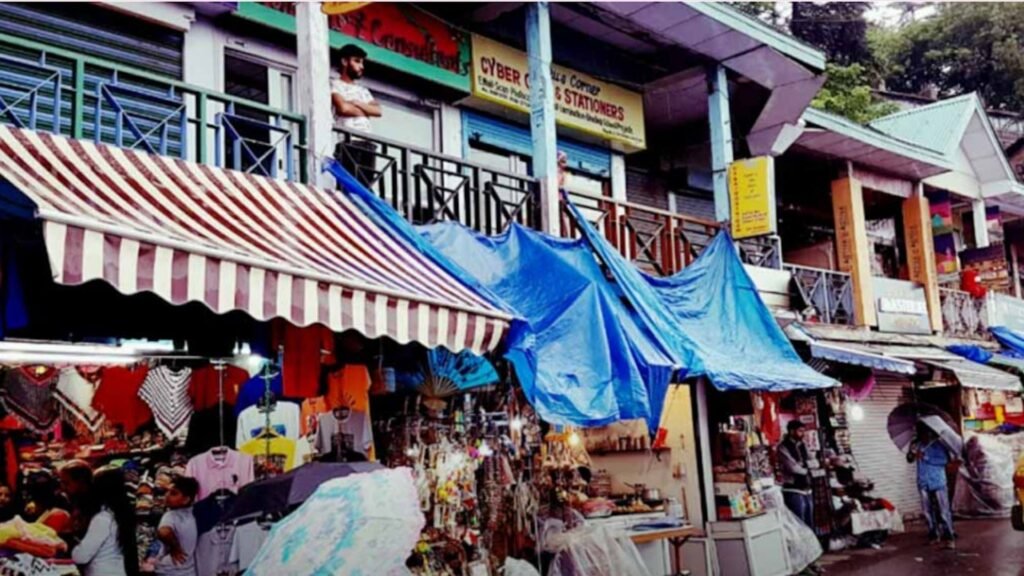
Lakkar Bazaar, just off Mall Road, is famous for its wooden handicrafts — everything from carved boxes and walking sticks to wall hangings and decorative items made from local timber. It is also a good place to pick up Himachali shawls, traditional caps, and local artwork.
What to Eat in Shimla
Shimla’s food scene is a delightful blend of hearty Himachali mountain cooking, North Indian comfort food, and the inevitable influence of its tourist-friendly culture. Here is what you must not leave without trying:
Chha Gosht
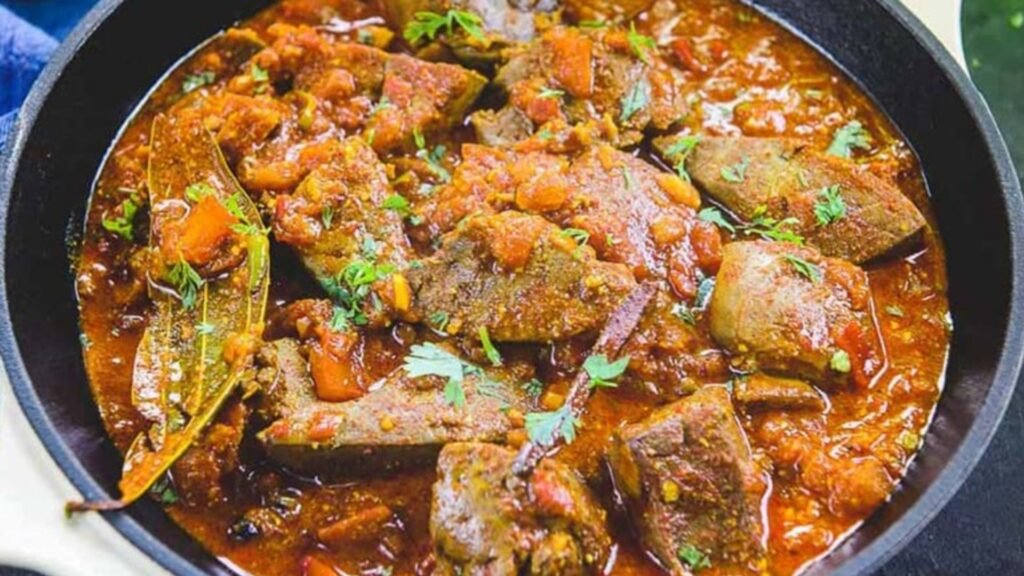
A traditional Himachali speciality, Chha Gosht is a slow-cooked lamb curry marinated in gramflour and spiced with local herbs. The result is a deeply flavourful, slightly tangy dish that warms you from the inside out. Look for it at traditional Himachali restaurants or dhabas.
Siddu
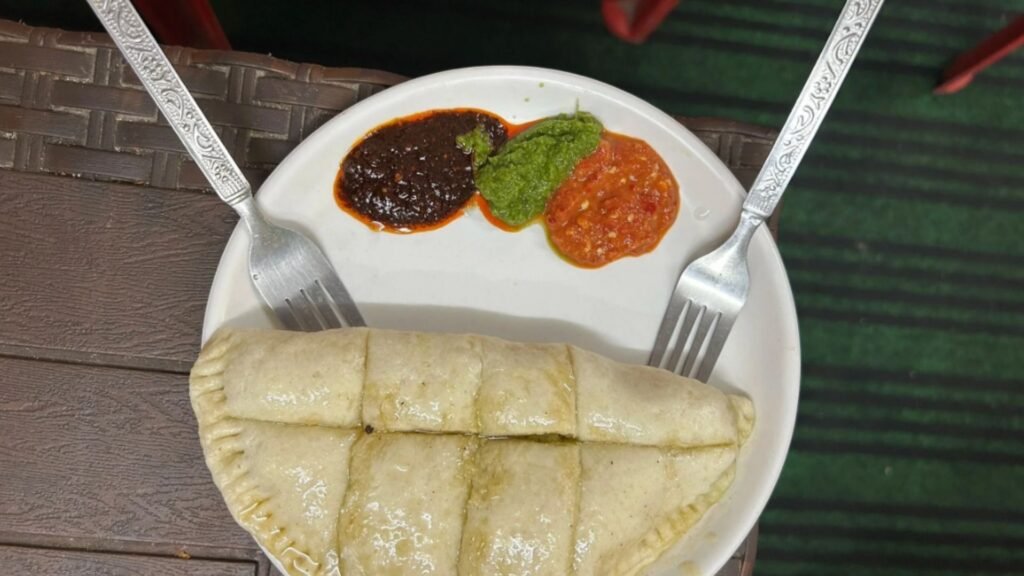
A popular local bread made from wheat flour and stuffed with a spiced mixture of poppy seeds, walnuts, or lentils, Siddu is typically steamed and served with ghee and dal. It is a staple of traditional Himachali homes and something truly unique to this region.
Babru

A Shimla-specific breakfast specialty, Babru is a black gram-stuffed deep-fried bread similar to kachori. It is typically eaten with tamarind chutney and is a favourite morning meal in the local markets.
Madra
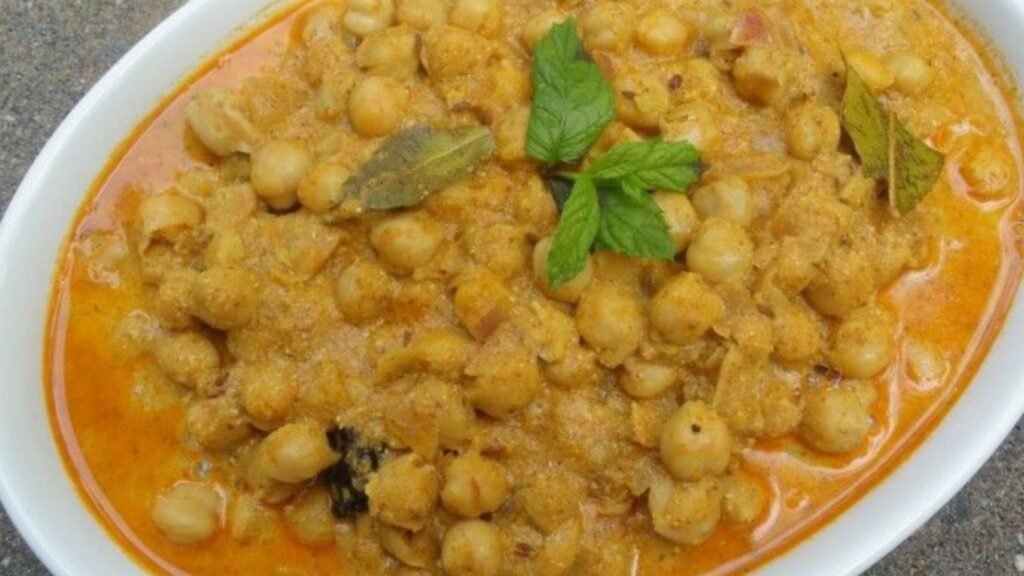
One of the most beloved dishes of the Chamba Dham (a multi-dish celebratory meal), Madra consists of chickpeas or kidney beans slow-cooked in yogurt with aromatic spices. Rich, creamy and deeply satisfying, it is Himachali comfort food at its finest.
Trout
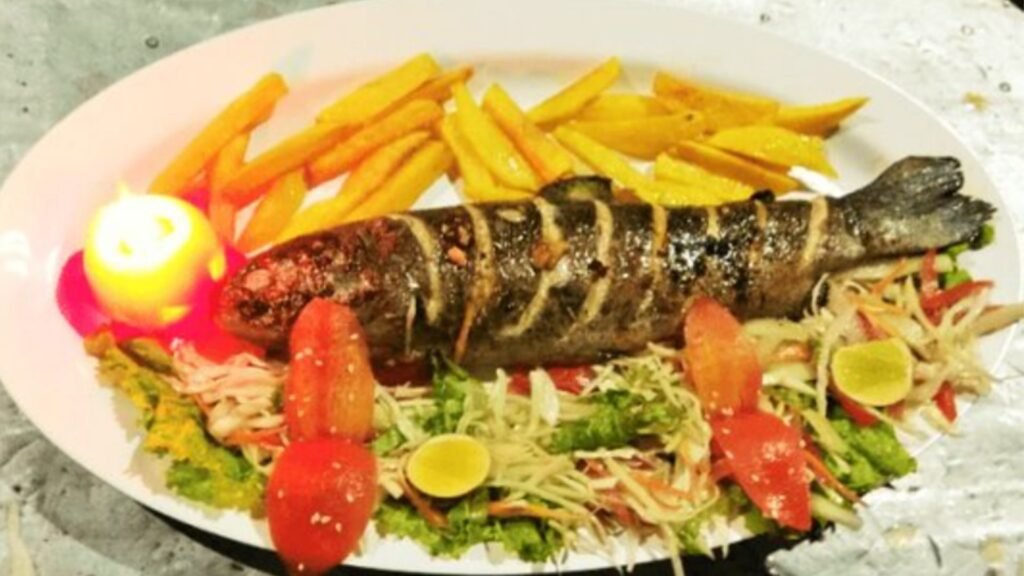
Shimla’s mountain streams produce excellent trout, and many restaurants — especially near Chail and Tattapani — serve freshly caught trout in a variety of preparations: grilled, pan-fried with butter and herbs, or in a tangy curry. If you see it on a menu, order it.
Street Food & Cafés
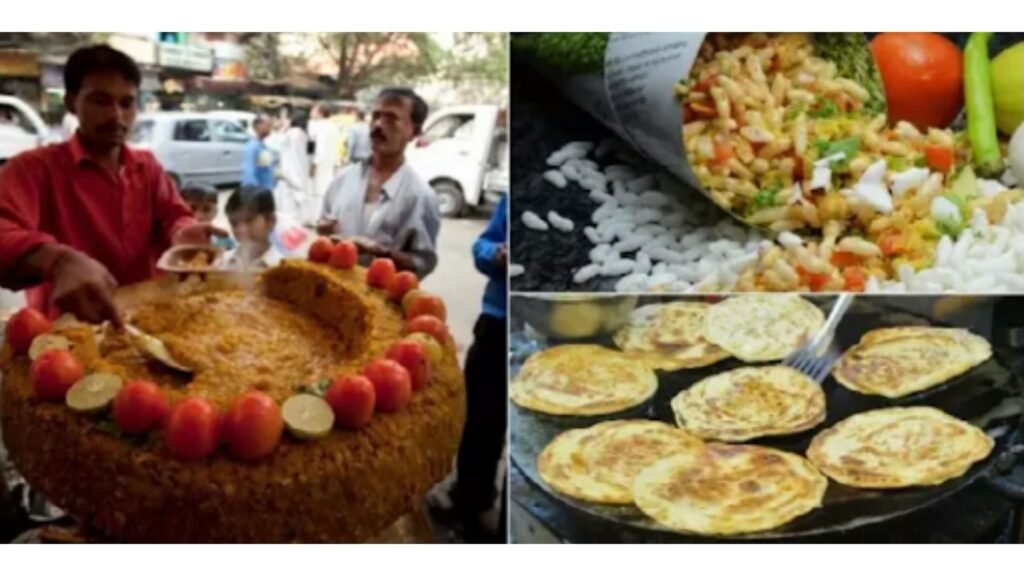
Mall Road’s street food scene is vibrant. Don’t miss: piping hot Maggi at roadside stalls, corn roasted over coal embers, steaming cups of Himachali chai, and freshly baked pastries from the many small bakeries that line the street. The Indian Coffee House on Mall Road is a legendary stop — its no-frills filter coffee and samosas have been fueling students and travellers since the 1950s.
Where to Stay in Shimla
Shimla offers accommodation for every taste and budget, from heritage hotels in colonial-era buildings to cosy homestays, modern hostels, and luxury resorts.
Budget (₹500–₹1,500/night)
Youth hostels and backpacker-friendly guesthouses are clustered around Mall Road and the areas below it. The Hosteller Shimla is a popular choice among solo travellers and groups — it combines affordable dormitory and private room options with a strong social atmosphere and stunning views from its terrace. Dorms typically start at around ₹500–₹800 per bed.
Mid-Range (₹1,500–₹5,000/night)
This bracket is where Shimla really shines. Numerous heritage hotels and boutique properties occupy old colonial buildings, offering character and atmosphere that a modern hotel cannot match. Hotel Seclude Taraview is one such property — a 160-year-old ancestral estate offering traditional Kathkuni (wood-and-stone Himalayan) architecture, spacious grounds, and a rare sense of tranquility in central Shimla.
Luxury (₹5,000+/night)
For those seeking the ultimate indulgence, The Oberoi Cecil (a colonial-era grand hotel), WelcomHotel by ITC, and Wildflower Hall (near Mashobra) offer world-class amenities, spa facilities, and breathtaking mountain views. These properties often come with heritage storytelling built into every corner.
Homestays
For the most authentic experience of Shimla, consider a homestay in one of the smaller villages like Mashobra, Fagu, or Chail. Local families welcome travellers into beautifully maintained traditional homes, cook home-style Himachali meals, and offer a window into the rhythms of mountain life that no hotel can replicate.
Travel Tips for Shimla
Carry layered clothes: Even in summer, evenings can be chilly. In winter, pack heavy woollens, thermals, and waterproof jackets.
Adjust to the altitude: If you’re coming from the plains, take it easy on the first day and let your body adapt.
No vehicles on main streets: Mall Road and The Ridge are vehicle-free, so you’ll need to park below and walk.
Book stays early: Hotels fill up fast during peak seasons (April–June and Christmas–New Year), so book in advance.
Keep some cash: While cards are accepted in many places, small shops and local vendors often prefer cash.
Respect local customs: Dress modestly at temples, remove shoes before entering, and maintain silence.
Watch out for monkeys: Areas like Jakhoo Temple have many monkeys—keep your belongings safe.
Check road conditions in winter: Snowfall can cause delays, so check updates before travelling.
Stay hydrated: The mountain air can be dry, so drink enough water even in cold weather.
Bargain politely: In places like Lakkar Bazaar, light bargaining is common.
Suggested Itineraries
2-Day Quick Visit
Day 1 Morning: Arrive, check in, walk Mall Road and the Ridge, visit Christ Church
Day 1 Afternoon: Jakhu Temple hike, sunset views from the ridge
Day 1 Evening: Dinner at a local restaurant, explore Lakkar Bazaar
Day 2 Morning: Viceregal Lodge heritage tour
Day 2 Afternoon: Day trip to Kufri, return and departure
4-Day Relaxed Explorer
Day 1: Arrive via Toy Train from Kalka, settle in, evening stroll on Ridge
Day 2: Jakhu Temple, Christ Church, State Museum, evening at Indian Coffee House
Day 3: Day trip to Chail or Tattapani (hot springs + river rafting)
Day 4: Naldehra, Mashobra orchards, Chadwick Falls, departure
Conclusion
Whether it’s your first visit or a return trip, Shimla always offers a memorable experience. With its mix of natural beauty, colonial charm, and modern attractions, it continues to be one of India’s favourite hill stations.
From adventure and sightseeing to food and relaxing in the mountains, Shimla has something for everyone. So pack your bags and get ready to explore—Shimla won’t disappoint.
Frequently Asked Questions (FAQs)
1. What is the best time to visit Shimla?
Shimla can be visited all year round. For pleasant weather, visit from March to June. For snowfall, December to February is the best time.
2. How can I reach Shimla?
Shimla is well connected by road, rail, and air. You can travel via the famous Kalka–Shimla Railway, take a bus, or drive from Delhi and nearby cities.
3. How many days are enough for a Shimla trip?
A 2–3 day trip is enough to explore major attractions like Mall Road, The Ridge, Kufri, and Jakhoo Temple.
4. Is Shimla safe for solo travellers and families?
Yes, Shimla is considered a safe destination for solo travellers, couples, and families. Basic precautions are always recommended.
5. What are the top places to visit in Shimla?
Popular attractions include The Ridge, Mall Road, Jakhoo Temple, and nearby Kufri.
6. What is the average cost of a Shimla trip?
A budget trip can cost around ₹5,000–₹10,000 per person for 2–3 days, depending on travel, stay, and food preferences.