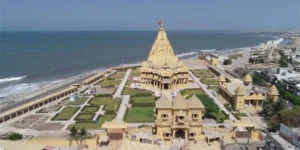
Mizoram nests between Myanmar and Bangladesh. It is a tapestry of green hills, tribal culture, stunning waterfalls, and crisp mountain air. A trip here awakens your senses; think wild orchids in Champhai, street-side bamboo shoot delicacies in Aizawl, and the thunderous cascade of Vantawng Falls echoing amidst ancient forests. For the traveller, Mizoram delivers the promise of serenity, vibrant festivals, and discovery far from the regular tourist circuit.
How to Reach Mizoram
By Air: The gateway is Lengpui Airport, about 32 km from Aizawl, connected by direct flights from Kolkata, Guwahati, and Imphal. Outside arrivals, taxis and shared vehicles ferry you into the city, passing misty hills and village scenes.
By Rail: The Sairang Railway Station is the nearest railway station that connects the state capital, Aizawl, located just 20 km away. The state of Mizoram is now connected to the national railway network for the first time since independence with the inauguration of the Bairabi–Sairang broad-gauge railway line.
By Road: From Guwahati or Silchar, state-run or private buses head for Aizawl. Rides are long (often overnight), but the journey serves up beautiful mountain vistas. Within Mizoram, sumos (shared jeeps), cabs, and tourist buses are common; just know winding roads can mean more travel time than you expect. Keep mountain sickness medicine handy.
Best Time to Visit
Travel between October to March for cool weather, clear skies, and easy transport. The monsoon (May–September) is lush but brings heavy rain and landslides; avoid it if you want dry treks and hassle-free movement.
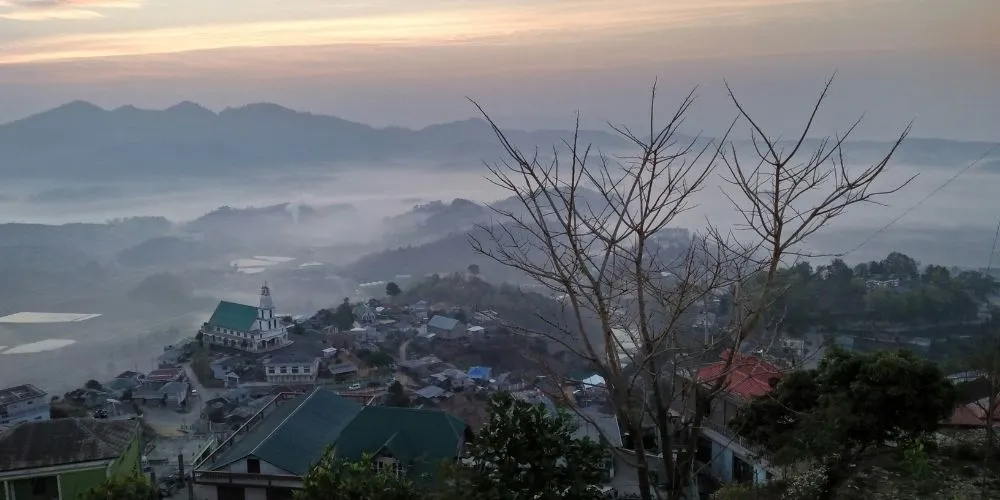
Aizawl: The Hilltop Capital with a View
Aizawl, the capital, spreads across emerald ridges and bustling bazaars. Start your trip with a panoramic view from Durtlang Hills, a short hike or drive uphill that gives you the full sweeping view of the city nestled against far-off peaks. Other places to visit include:
- Bara Bazaar: This is where local life bustles with handwoven Mizo shawls, bamboo baskets, aromatic veggies, and plates of bamboo shoot stir fry and Mizo thali. Street markets are lively, especially during festival time.
- Mizoram State Museum: Situated on Macdonald Hill and home to over 2,000 artefacts from traditional costumes and musical instruments to tribal weaponry, wildlife specimens, and rare crafts, this museum is a must visit. Get a crash course in the state’s diverse ethnic tapestry, its myths, and victories in quiet, well-curated galleries.
- Champhai – Orchids, Monoliths, and Myanmar Views: Champhai, perched on the Indo-Myanmar border, is all rolling vineyards, wild orchids, and a scatter of ancient monoliths telling tales of Mizo heroism. Orchid farms are a photographer’s delight each spring; join local festivals and market days for a splash of colour. Trekking to Rih Dil (Myanmar’s legendary lake), visiting ancient stone monoliths in nearby villages, and sipping on tea at sunset overlooking blue Myanmar hills are classic Champhai moments.
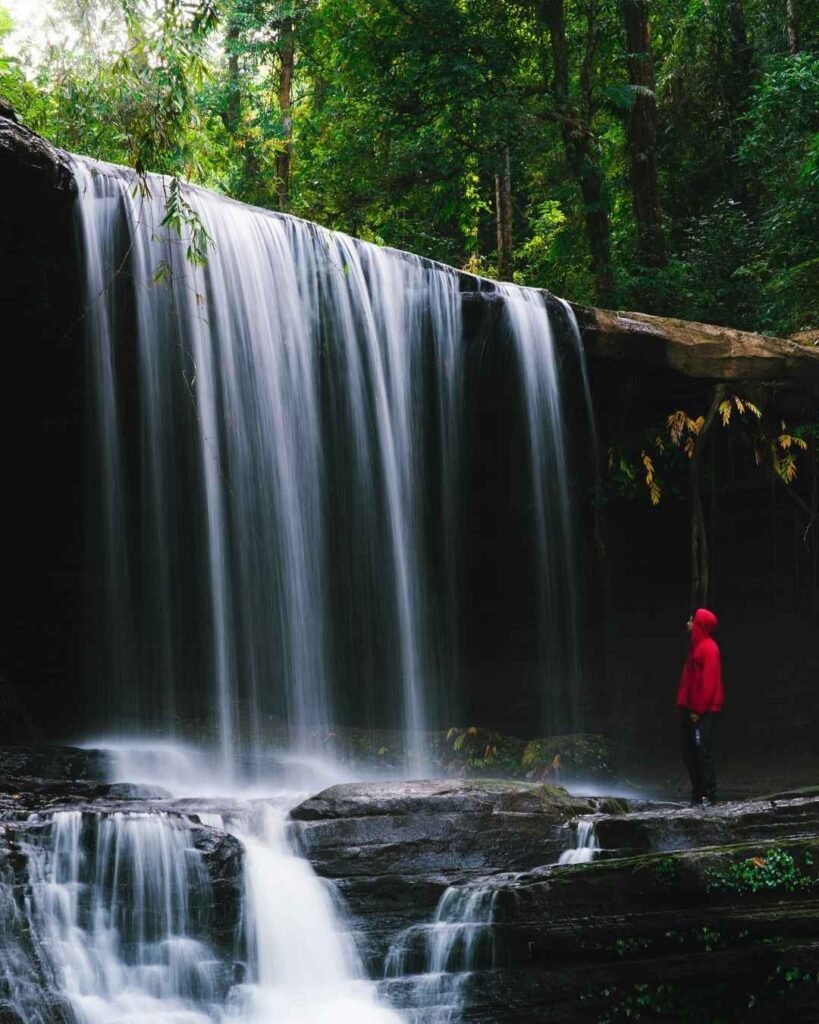
- Vantawng Falls: The tallest waterfall in Mizoram (about 229 meters), Vantawng Falls is a spectacle in the Serchhip district, 130 km from Aizawl. To reach the falls, take a shared sumo from Aizawl to Thenzawl, then a short trek (2 km) through wild greenery to a watchtower. Venture farther (with a guide) for the base trek, a one-hour walk surrounded by mist and birdsong, ideal for camping and picnicking. For the best water show, visit post-monsoon (October–January).
Places to Stay in Mizoram
For stays, J.I.T Hotel, Hotel Chawlhna, and The Grand Aizawl rank among top picks. Expect cozy rooms, central access to attractions, and often mountain or city views. For something budget-friendly, book Hotel Esquire near Bara Bazaar or Tropicana Hotel close to all sights.
Stay at Hotel Chawlhna in Champhai or opt for local homestays for a closer view of countryside life and border culture.
What to Carry: Essentials for Mizoram
- Layered clothing (days can be warm, nights can be chilly)
- Sturdy walking shoes and raincoat (showers are frequent)
- Camera, power bank, and waterproof phone cover
- Mosquito repellent and sunscreen
- Small backpack for day treksCopy of government-issued ID (Inner Line Permit mandatory for most visitors)
- Plastic use is discouraged; carry reusable water bottles and cloth bags to respect local eco-efforts
Local Travelling
Sumo rides and hired cabs link all major towns. For easy sightseeing, base yourself in Aizawl (for Durtlang Hills, Bara Bazaar, Reiek Heritage Village, Solomon’s Temple) and Champhai (for border treks, vineyards, monoliths).
OЫeat Detours
- Phawngpui Tlang (Blue Mountain): Highest peak, great for hiking, birdwatching, and wild orchids.
- Reiek Heritage Village: Traditional Mizo huts, folk dances, scenic treks.
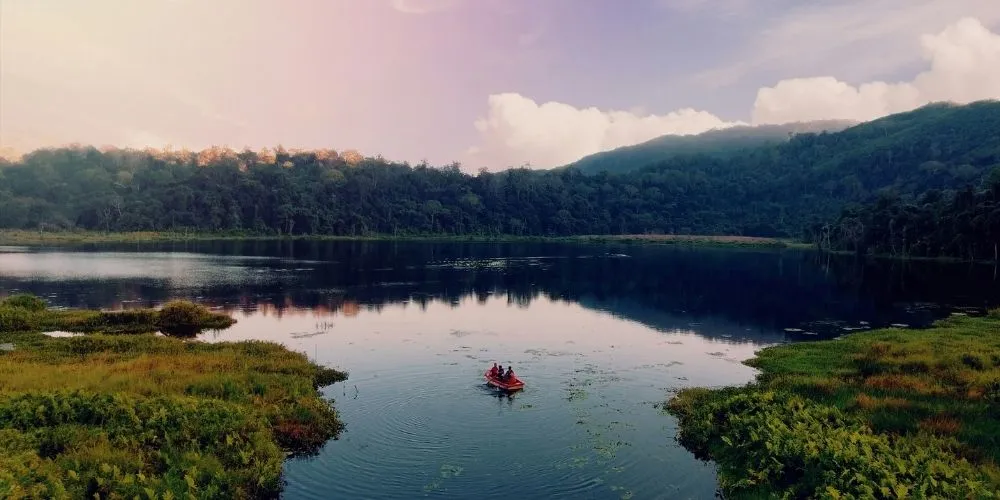
- Rungdil Lake and Tamdil Lake: Perfect for picnics, birding, and quiet reflections.
- Dampa Tiger Reserve: For the truly adventurous spirits, spot tigers, elephants, and rare birds in the state’s largest wildlife sanctuary.
Also check out local festivals; Chapchar Kut (spring harvest fest, celebrated in March) or Thalfavang Kut (autumn, celebrated in November) turn towns into riotous colours and offer a perfect peek into Mizo life.
What Makes Mizoram Unique
Mizoram isn’t just a list of sights. It’s rolling peace, tribal hospitality, and green landscapes eternally in motion. Unlike bustling Northeast destinations, you’ll find a distinct rhythm; measured, musical, and welcoming. Here, old stories are etched in stones, sunsets glaze over wild lakes, and every market feels like a new discovery.
While others rush to crowded mountain circuits, Mizoram’s magic is the slow discovery of warmth, colour, and boundless hills; a North East melody you’ll never forget.
By: Anushka Singhal