Image source of Adi Kailash @ euttaranchal
Adi Kailash, known as Chhota Kailash, rises quietly in the peaceful folds of Uttarakhand’s Kumaon Himalayas. Regarded as one of the holiest peaks and untouched spiritual sanctuaries, it is a place where pilgrims, trekkers, and nature lovers converge for an experience both sacred and exquisite. This unique yatra weaves together stories, remote valleys, mystic lakes, and heart-stopping mountain views, with Dharchula and Pithoragarh serving as gateway towns.
How to Reach Adi Kailash
Pithoragarh to Adi Kailash is a journey marked by scenic drives and gradual ascents. Most travellers begin in Delhi or Kathgodam, then drive (or take a bus) to Pithoragarh (about 350 kms from Kathgodam), soaking in pine forests, mountain ridges, and Kumaoni villages along the way. From Pithoragarh, it’s a shared jeep or taxi (often local 4×4) to Dharchula, another 80–100 kms, hugging the Kali river and Nepal border. Dharchula is the true base camp; here you sort permits, gear, and acclimatise for high altitude.
From Dharchula, the official yatra route heads to Gunji via Tawaghat, with all further travel requiring Inner Line Permits (ILP) due to sensitive border zones. The final stretch to Adi Kailash base near Jolingkong is mostly on rugged mountain roads, often only open from May to October, and may involve short treks past Gunji, Kuti, and Chialekh valleys. Here, the air turns crisp, and everything feels remote and magical.
Helicopter services and organised tours do operate from Pantnagar or Pithoragarh for those preferring speed or comfort but do expect steep prices and some unpredictability in mountain weather.
Best Time to Visit Adi Kailash for Yatra
The Adi Kailash Yatra runs from mid-May to mid-October, with the best months being May-June (snow retreat and rhododendron bloom) and September–mid-October (clear post-monsoon skies, soft fall colours). Monsoons (July–Aug) are risky due to landslides and route blockages; avoid this period unless guided by local authorities. After mid-October snow returns and roads close right up to April.
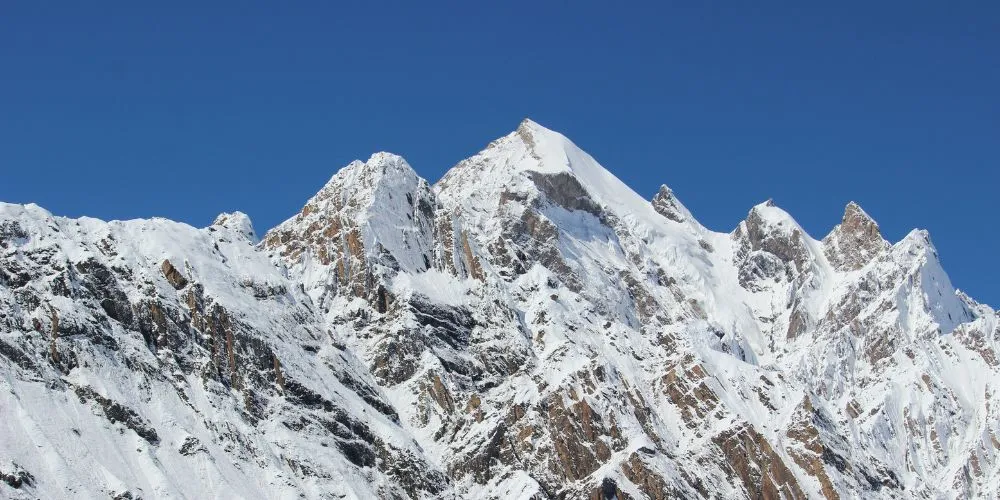
Weather remains cold, especially at night; daytime temperatures range from 10–15°C, dropping to below freezing at higher camps.
Best Properties and Homestays
Options are basic but atmospheric. Dharchula has simple hotels; Hotel Milan, KMVN Dharchula, Himalayan Woods, all offer hot meals and have a warm staff. Gunji, Nabi, and Jolingkong campsites offer shared tents, dorms, and homestays. Some packages include guest houses at Kuti, Chialekh, and Gunji, mostly run by local families.
For the best experience, opt for government KMVN guesthouses, or trusted pilgrimage tour camps; private homestays along the route ensure local flavour but expect rustic, mountain-style comfort, bucket baths, and simple veg meals. As nights get cold, pack an extra blanket or sleeping bag.
Must-Visit Places & Lesser-Known Attractions
- Adi Kailash Peak & Parvati Lake: The trek culminates at the sacred peak near Parvati Tal, a crystal clear lake reflecting snowy summits. Pilgrims offer prayers here; trekkers take in the awe-inspiring views and silence.
- Om Parvat: Near Gunji–Nabhidhang, this striking peak sports a natural ‘Om’ symbol formed by snow; a top draw for darshan and photography.
- Chialekh Valley: Bursting with wildflowers in summer, this untouched valley feels like stepping into a Himalayan fairytale.
- Nabhidhang: Remote lookout for both Adi Kailash and Om Parvat; it hugs the Indo-Tibetan border.
- Gunji Village: Traditional Bhotiya village; a place for acclimatisation, folk tales, and local food.
- Kuti Valley: Known for its meadows, flowers, and spiritual calm, plus glimpses of Nepal on a clear morning.
Adventurous souls can also visit Narayan Ashram and trek further into untouched valleys for birdwatching and meeting local shepherds.
Packing and Preparation for Adi Kailash
- Clothing: Layers are vital; thermal base, fleece, down jacket, rain gear, gloves, woolen socks, cap.
- Footwear: Tough trekking shoes; carry a spare pair of sandals for river crossings.
- Essentials: Sunglasses, sunscreen (UV is harsh), hot water bottle, basic medical kit (Diamox for altitude, ORS, pain relief), personal toilet bag, wet wipes.
- Food: On-route, most camps provide dal-rice, sabzi, and chapati, with tea and snacks. Carry dry fruits, chocolate, instant meals, and personal munchies. Hydrate well; dehydration happens fast at high altitude.
- Documents: Multiple ID proofs, Inner Line permit (issued at SDM office in Dharchula), fitness certificates, medical forms, and passport-size photos. Keep digital and paper copies with you.
Travel Tips & Local Guidance
- Allow a day at Dharchula or Gunji for acclimatisation; avoid rushing to high-altitude camps.
- Altitude sickness can happen; hydrate, eat light, sleep warm, and go slow on treks.
- Be patient; weather, landslides, and route changes are normal in the remote Himalayas. Always have 1–2 buffer days.
- Respect local customs; engage with Bhotiya villagers for stories and home-cooked meals.
What to Eat
The journey is mostly vegetarian, wholesome and geared for cold weather; dal-rice, roti, sabzi, kheer, and local soups at guesthouses and camps. Some Gunji and Chialekh homestays offer yak milk, fresh veggies, and local chutneys.
OЫeat and Soulful Pairings
Adi Kailash Yatra pairs well with short stays at Pithoragarh (“Mini Kashmir”); visit Jageshwar Temple, Bhimtal, and Chaukori valley before or after Yatra. Didihat and Narayan Ashram offer cultural depth and solitude for nature lovers. For longer adventures, consider combining with the Mansarovar Yatra or a deeper exploration of Kumaon’s wilderness.
Adi Kailash is not just a pilgrimage; it’s a journey through India’s soul, an adventure marked by faith, friendship, and Himalayan wonder. Prepare humbly, respect the mountain’s rhythm, and let Adi Kailash’s ancient silence leave you richer, stronger, and beautifully evolved.
By: Anushka Singhal