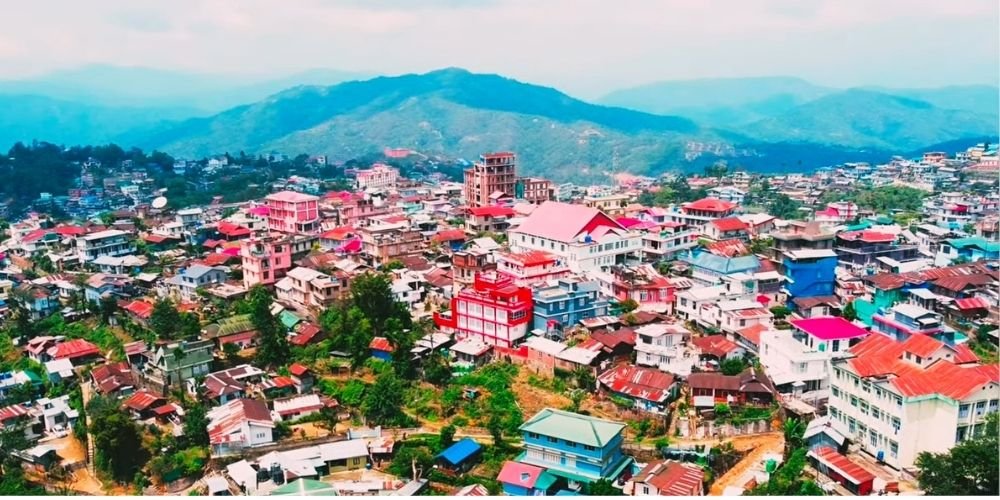
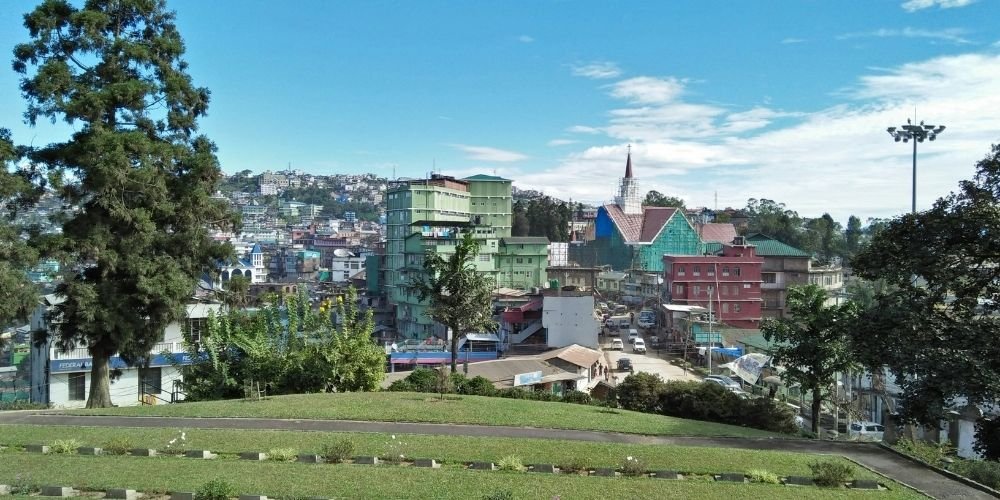
Kohima has been the enchanting capital of Nagaland in Northeast India since 1963. Sitting at an altitude of approximately 1,444 meters in the Naga Hills, it is famous worldwide for the Kohima War Cemetery from World War II and as the gateway to the stunning Dzukou Valley. This hill station nestled in the Naga Hills offers Indian travellers a unique blend of wartime heritage, vibrant tribal culture at Kisama Heritage Village, rich museum exhibits at the Nagaland State Museum, and breathtaking mountain landscapes that make it one of India’s most fascinating yet underrated destinations. Unlike typical tourist destinations, Kohima offers authentic interactions with Naga tribes, Wobei the famous Hornbill Festival draws visitors from across the globe every December. The city’s position on NH-29 connects it to Dimapur and Manipur, making it a strategic stop for Northeast India exploration.
How to Reach Kohima
By Air: The nearest airport is Dimapur Airport, approximately 74 kms from Kohima. Dimapur is a domestic airport with alternate-day flights from Delhi and Kolkata. From the airport, you can take a taxi directly to Kohima, which takes about 2-3 hours.
By Train: The nearest railway station is in Dimapur, about 74 kms from Kohima. Dimapur is well-connected to major Indian cities including Guwahati, Kolkata, New Delhi, Chennai, Jorhat, and Dibrugarh. The Dimapur taxi stand is adjacent to the railway station, making it convenient to hire a taxi to Kohima.
By Road: Kohima is well-connected by road via National Highway 29. Regular buses and shared taxis operate from Dimapur to Kohima, with the journey taking approximately 2.5 hours. From Guwahati, you can take a bus or taxi to Kohima (approximately 10-12 hours). Private taxis are readily available from the Dimapur taxi stand.
Best Time to Visit Kohima
The best time to visit Kohima is from October to May, when the weather remains pleasant and ideal for sightseeing, trekking, and outdoor activities. Winters (October to February) are cold and scenic, with temperatures occasionally dropping to 0°C and light snowfall possible in some areas. This is also the season for the famous Hornbill Festival, held during the first ten days of December. Summers (March to June) remain comfortable for nature walks and exploring the hills. Avoid the monsoon season (July to September), as heavy rainfall and cloudbursts can make travel difficult.
Must-Visit Places in and Around Kohima
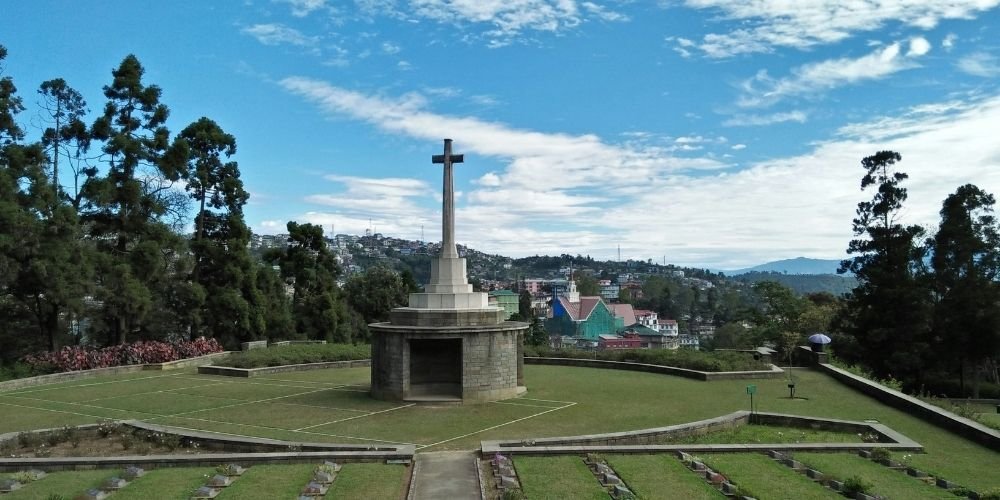
- Kohima War Cemetery: The Kohima War Cemetery is the most important historical attraction in Kohima, dedicated to Allied soldiers who lost their lives during the Battle of Kohima in 1944. Located in the heart of the city, it contains over 1,420 Commonwealth graves and the Kohima Cremation Memorial honouring Hindu and Sikh soldiers. The peaceful cemetery offers panoramic city views and remains open from 9 AM to 4 PM, except on Sundays and holidays.
- Nagaland State Museum: Located at Bayavü Hill about 1.5 kms from central Kohima, the museum showcases the history, culture, and traditions of Nagaland’s tribes. Established in 1970, it displays tribal artifacts, weapons, jewellery, textiles, and traditional tools, making it one of the best places to understand Naga heritage.
- Kisama Heritage Village: Situated around 12 kms from Kohima, Kisama Heritage Village is known as the cultural hub of Nagaland and the main venue of the famous Hornbill Festival. The village features replica tribal huts, traditional architecture, cultural displays, and local handicrafis that showcase the diversity of Naga tribes.
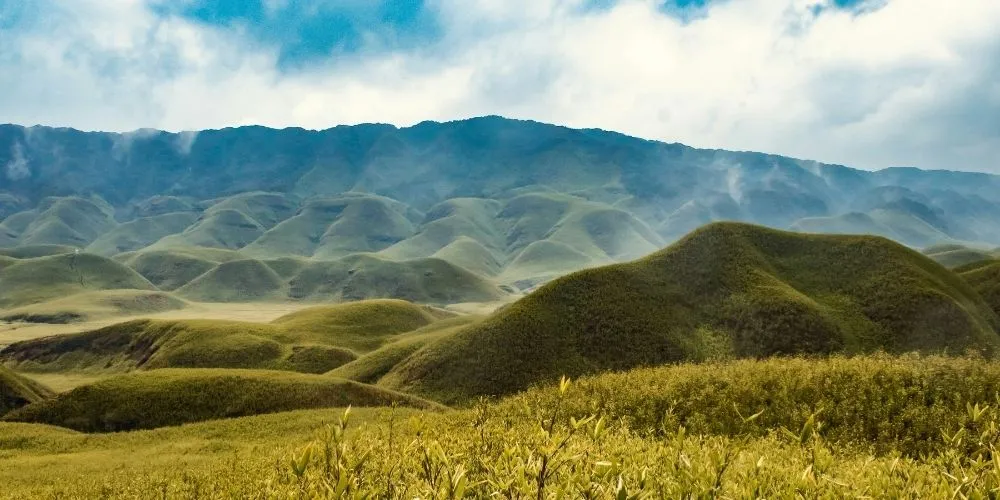
- Dzukou Valley: Dzukou Valley is one of Northeast India’s most scenic trekking destinations, famous for rolling green hills, streams, wildflowers, and the rare Dzukou Lily. Located near Kohima, it can be reached through the Zakhama or Viswema trekking routes and is best visited between April and November.
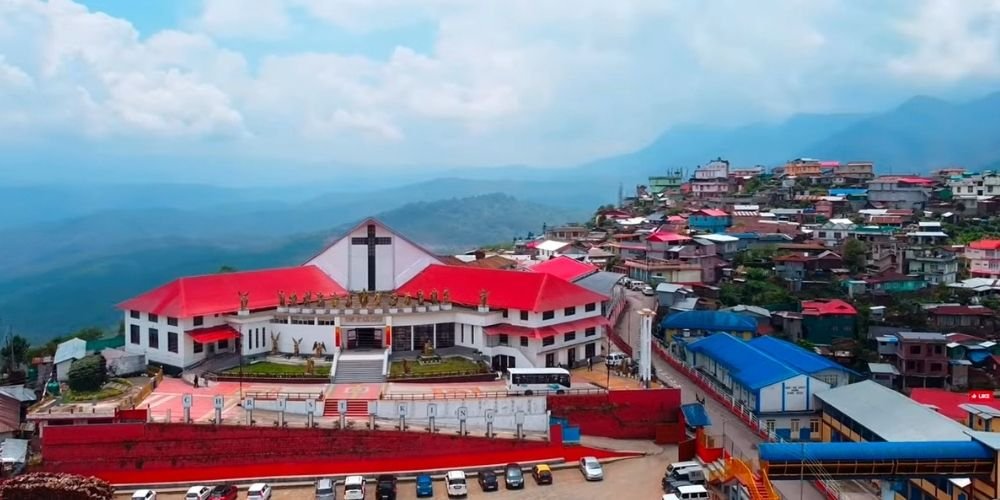
- Other Notable Attractions: These include Khonoma, known as Asia’s first green village, Japfu Peak for trekking and mountain views, Puliebadze for short hikes, Kohima Cathedral for its striking architecture, and scenic spots like Shilloi Lake and Tuophema Tourist Village.
Where to Stay in Kohima
Kohima offers accommodation options for all budgets, ranging from luxury resorts to budget hotels and homestays. Premium stays like La Colline Resort, De Oriental Grand and Niraamaya Retreats Aradura provide scenic hilltop settings and modern comforts. Mid-range options such as Crescent International Hotel, The Cherith, and The Mirage offer comfortable stays with essential amenities. Budget travellers can choose affordable hotels, guesthouses, and homestays for a more local and economical experience. Popular areas to stay include Aradura Hill and New Minister Hill for their peaceful atmosphere and scenic views.
What to Do, Shop and Eat
What to Do: Kohima offers trekking, cultural experiences, nature walks, and war history tours. The trek to Dzukou Valley is the most popular activity, with routes through Zakhama and Viswema villages. Travellers can also explore Khonoma to experience traditional Naga culture, visit the Kohima War Cemetery, and enjoy scenic hikes at Puliebadze. If visiting in December, the Hornbill Festival is a major cultural highlight featuring tribal dance, music, food, and crafts.
What to Eat: Kohima is known for authentic Naga cuisine featuring smoked meats, bamboo shoots, fermented ingredients, and spicy flavours. Popular dishes include smoked pork with bamboo shoot, axone, Ngari, momos, and rice-based meals. Bambooshoot Restaurant is well known for traditional Naga thalis, while Mom and I Restaurant is popular for momos. Travellers can also try Asian, Chinese, and continental food at cafes around the city.
What to Shop: Kohima is a great place to buy traditional Naga shawls, bamboo and cane products, tribal jewellery, handicrafit, and handmade souvenirs. Popular shopping areas include Mao Market, Naga Bazaar, Central Market, Fancy Market, and the State Emporium for authentic local crafts and textiles.
Permits Required for Kohima
Indian nationals from outside Nagaland need to obtain an Inner Line Permit (ILP) to visit Kohima and Nagaland. Fresh ILP applications can be processed online, while renewals must be done through respective Deputy Commissioner’s offices. The penalty for travelling without a valid ILP is INR 500.
Foreign nationals require a Protected Area Permit (PAP) or Restricted Area Permit (RAP) in addition to their Indian visa to visit Nagaland. Foreigners must carry this permit along with their passport and visa at all times during their stay.
Packing Essentials for Kohima
Carry warm clothing such as jackets, thermals, woollens, gloves, and caps, especially during winter. Comfortable trekking shoes are important for hikes and village walks. Since Northeast weather can change quickly, keep rain gear like a waterproof jacket or umbrella handy. Sunscreen, sunglasses, lip balm, personal medicines, and a basic first-aid kit are also useful. Carry sufficient cash, a power bank, and a flashlight or headlamp, as remote areas may have limited ATMs and occasional power cuts.
Sample 4-Day Kohima Itinerary
Day 1: Arrive in Dimapur via flight or train, hire a taxi to Kohima (2.5 hours). Check into your hotel and rest. Afternoon visit to the Kohima War Cemetery to pay respects and learn about World War II history. In the evening explore Central Market or Fancy Market for shopping. Enjoy authentic Naga cuisine at Bambooshoot Restaurant for dinner.
Day 2: Morning visit to Nagaland State Museum at Bayavü Hill to understand Naga tribal culture and history. Drive to Kisama Heritage Village (12 kms), explore traditional Naga huts and learn about tribal diversity. Afternoon trek to Japfu Peak for panoramic views or visit Kohima Cathedral Church. In the evening attend local cultural performances if available. Stay overnight in Kohima.
Day 3: Early morning drive to Zakhama Village (20 kms) for the Dzukou Valley trek. Trek through beautiful forests and reach the stunning valley, spend the day exploring crystal streams and wildflowers. If you’re an experienced trekker, consider camping overnight in Dzukou Valley. Return to Kohima by evening. Try Mom and I Restaurant for momos.
Day 4: Day trip to Khonoma Village (20 kms west), Asia’s first green village, explore ancient forts, traditional Morungs, and terraced fields. Learn about sustainable living practices and Naga culture from local guides. Return to Kohima by afternoon. Visit the remaining markets for souvenir shopping. Check out and drive back to Dimapur for an onward journey.
Nearby Places to Explore
Near Kohima, travellers can explore several scenic and cultural destinations. Khonoma (20 kms) is known for its traditional Naga culture, terraced fields, historical sites, and sustainable village tourism. Tuophema Tourist Village (40 kms) offers an authentic village stay experience with local food and tribal activities, while Shilloi Lake (100 kms) is ideal for scenic views and peaceful picnics. Kigwema (15 kms) is a cultural village and one of the main starting points for the Dzukou Valley trek. For deeper cultural exploration, travellers can visit Mokokchung (150 kms), famous for Ao Naga traditions, and Mon (250 kms), known for Konyak tribal heritage and traditional tattoos. Wokha (80 kms) and Zunheboto (95 kms) are also worth exploring for their scenic landscapes and unique tribal cultures.
Conclusion
Kohima offers a travel experience that blends mountain landscapes, tribal culture, history, and local flavours in a way few destinations do. From trekking through the scenic Dzukou Valley and exploring traditional Naga villages to experiencing the vibrant Hornbill Festival and tasting authentic local cuisine, every part of the journey feels immersive and memorable. Whether you are walking through peaceful hills, discovering wartime history, or shopping for handmade crafts, Kohima leaves travellers with a deeper connection to the culture and natural beauty of Northeast India.
By: Anushka Singhal
Also Read: Drass: India’s Coldest Inhabited Place and the Gateway to Ladakh