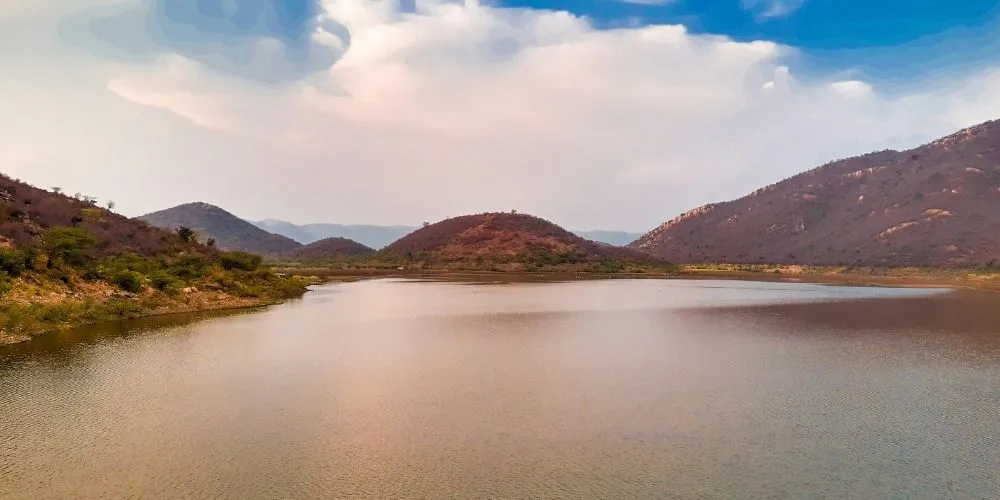
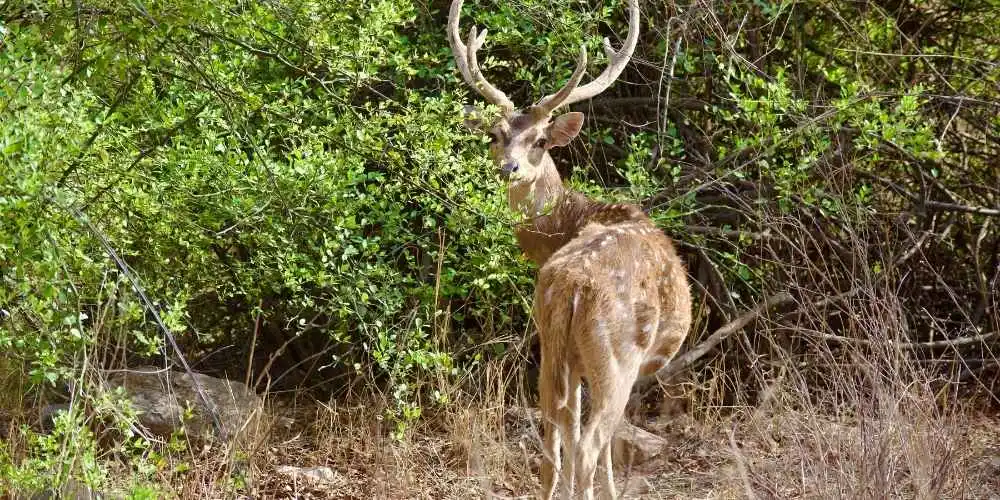
Nestled in the rugged Aravalli Hills of Rajasthan’s Alwar district, Sariska Tiger Reserve is a biodiversity hotspot spanning nearly 1,200 square kilometers of dry deciduous forests, grasslands, and rocky outcrops. Once a royal hunting ground for the Maharajas of Alwar, this sanctuary now protects over 40 Bengal tigers, leopards, hyenas, and hundreds of bird species amid ancient ruins and perennial streams. For wildlife enthusiasts, the thrill of Sariska Tiger Reserve Safari promises close encounters with the striped kings, while spiritual souls find solace at the dramatic Pandupol Hanuman Ji Mandir. Just a short drive from Delhi, Sariska offers a perfect mix of adventure, spirituality, history, and nature’s raw beauty.
How to Reach Sariska
Sariska is incredibly accessible for a national park. From Delhi, it’s a smooth 200 kms (4-5 hours) drive via NH48, ideal for self-drive with pitstops at dhabas for delicious meals. Jaipur is 180 kms away (3.5 hours), and Alwar town (the closest railhead, 35 kms away) connects via trains like the Shatabdi Express. For travellers from far off, flying into Jaipur Airport and hiring a cab is a great option to reach Sariska. RTDC buses from Alwar or Delhi drop near the gate, and shared taxis from there are also budget-friendly.
Pro Tip: For convenience, book RTDC packages including transport from Jaipur or Delhi.
Best Time to Visit Sariska
The prime season is October to June, when the park is open. Winters (October-February) bring mild dip in temperatures (10-25°C), perfect for comfortable safaris and birdwatching. Summers (March-June) concentrate animals around waterholes, boosting tiger sightings amid 30-40°C heat; opt for morning jeeps. Monsoons (July-September) close the core zone for wildlife breeding.
Pro Tip: Weekdays mean fewer crowds; weekends fill up fast, so make Sariska Tiger Reserve Safari Booking well in advance.
Sariska Tiger Reserve Safari Booking
Don’t miss Sariska Tiger Reserve Safari booking in advance, the heart of your trip. Official bookings via Rajasthan Forest Department’s website or app start 120 days ahead; spot bookings are available at gates but are limited and also the popular slots get occupied early. Jeep safaris (ranging from ₹1,200-1,500 for 6 seats, 3 hours) enter core zones for tiger tracks, while canters (ranging from ₹800-1,000, 20 seats) suit groups in buffer areas. Morning (6-9:30 AM) and afternoon (2:30-6 PM) slots are the most popular as the chances of a sighting are higher; guides share spotting tips enroute. Entry fees for the tiger reserve is ₹100 for Indians, plus camera charges. RTDC handles zones and you can book combos with stays for seamless thrills through RTDC.
Where to Stay in Sariska
The best option would be to stay inside or near the park for dawn safaris. RTDC Tiger Den Resort offers cottages, pool, and buffet, prime location. For more luxurious options you can book a stay at Samode Haveli Sariska, which blends heritage with spa.
If you are on a budget trip then, Sariska Forest Lodge tents or Alwar Palace Resort are fairly good options. For the ones who are more inclined towards experiences than convenience and budget, Siliserh Lake Palace (40 kms away) adds boating romance to the trip. The best part is that all properties provide safari assistance.
Must-Visit Places in and around Sariska
- Pandupol Hanuman Ji Mandir: Situated 18 kms inside the reserve, this sacred temple is a must visit. Its USP lies in the fact that it is carved into a cliff cave, which houses a 5-metre Hanuman idol that draws devotees from far and wide. Tuesdays and Hanuman Jayanti see vibrant aartis amid peacocks. Trek the short path for jungle vibes.
- Kankwari Fort: Perched atop a hill within the Sariska Tiger Reserve, the ruins of Kankwari Fort offer sweeping views of the surrounding forest. Built in the 17th century, the fort is steeped in history and legend, including its association with Mughal royalty. Today, it is famously known as an overnight halt for tigers, often spotted resting within its silent stone walls. The eerie stillness and wildlife presence make Kankwari Fort one of Sariska’s most fascinating landmarks.
- Neelkanth Mahadev Temple: Nestled deep inside the Sariska forest, Neelkanth Mahadev is a 10th-century Shiva temple steeped in mythology. The temple’s ancient stone carvings and serene forest surroundings create a powerful spiritual aura. It is believed to be the place where Lord Shiva drank poison during the Samudra Manthan. A visit here blends devotion, history, and nature in one unforgettable experience.
- Bhaironghati Mineral Springs: Hidden amid rocky terrain and dense greenery, the Bhaironghati mineral springs are a natural marvel. The water here is believed to possess therapeutic properties, drawing locals and curious travellers alike. Surrounded by quiet wilderness, it’s a refreshing pause from temple trails and safari routes. Ideal for those seeking oЫeat experiences close to nature.
- Yardhawali Hunting Lodge: Once a royal hunting retreat, Yardhawali Lodge echoes the colonial and princely past of Sariska. Its weathered architecture tells stories of shikaar expeditions and royal leisure. Today, it stands as a reminder of a time when forests were royal playgrounds. A must-visit for history lovers intrigued by Rajasthan’s regal legacy.
- Ancient Stepwells: Scattered around Sariska are ancient stepwells that showcase traditional water-harvesting wisdom. These baoris feature symmetrical steps, stone arches, and impressive depth. They once served as vital lifelines for villages and travellers crossing arid terrain.
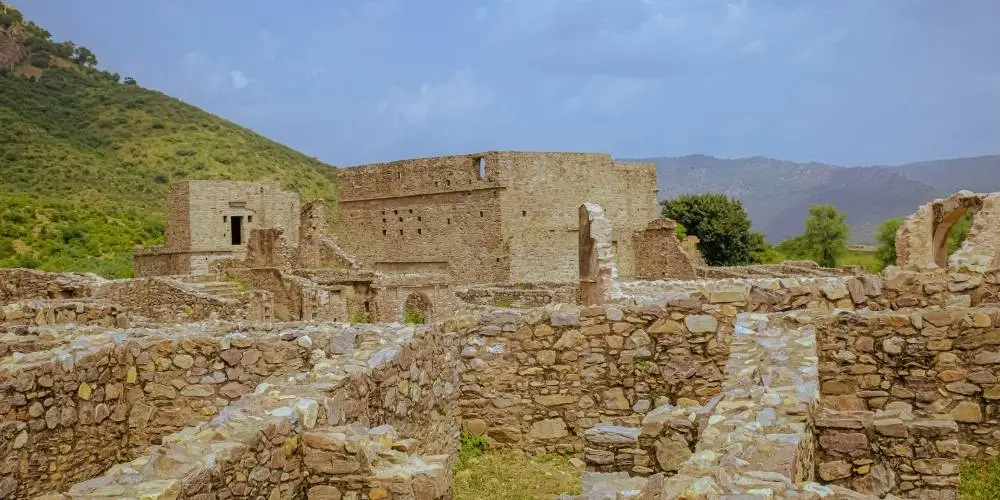
- Bhangarh Fort (50 kms away): Often dubbed India’s most haunted fort, Bhangarh is shrouded in legends and mystery. Its grand ruins include temples, palaces, and market streets frozen in time. Set against the Aravalli hills, the fort is hauntingly beautiful at sunset. It makes for a perfect spot for a thrilling day trip for history buffs and thrill-seekers alike.
- Ajabgarh Frescoes: The Ajabgarh region is home to lesser-known yet striking wall frescoes. These paintings reflect local art styles, religious themes, and royal influences. Despite weathering, the colours and narratives remain captivating. An underrated cultural stop for art and heritage enthusiasts.
- Tal Vriksh Park: Tal Vriksh Park is a peaceful green escape celebrating India’s botanical diversity. The park features indigenous trees, shaded walkways, and quiet resting spots. It’s perfect for slow mornings, nature walks, and birdwatching. A calming contrast to Sariska’s rugged forest terrain.
Activities, Food, and Shopping
Apart from jungle safari, indulge in local architecture exploration, photography, birdwatching, and enjoy cultural dance shows. The food in Rajasthan is delightful, look forward to gorging on RTDC thalis with dal baati churma, laal maas, gatta curry, and ker sangri. Shop at Alwar markets for bandhani, blue pottery, leather jootis, spices, and stones.
Packing Essentials and Getting Around
Binoculars, zoom camera, hat, sunscreen, jacket, binoculars, insect spray, comfortable shoes, and a water bottle, these are a few items that you should definitely not miss carrying. To get around the city there are autos and taxis available.
Sample 4-Day Itinerary
Day 1: Drive from Delhi, evening buffer safari, resort check-in.
Day 2: Dawn core safari, Pandupol Hanuman Ji Mandir, Neelkanth ruins.
Day 3: Morning birdwalk, Kankwari fort picnic, cultural evening.
Day 4: Final safari, Bhangarh detour, depart to Jaipur.
Nearby Explorations: Ranthambore (250 kms for more tigers), Jaipur forts, Keoladeo bird park (Ghana).
To Conclude
Sariska Tiger Reserve isn’t just about safaris, it’s a symphony of stripes against Aravalli sunsets, Pandupol Hanuman Ji Mandir chants echoing through acacia groves. Secure your Sariska Tiger Reserve Safari Booking to avoid missing on the perfect sighting opportunity, chase roars, and embrace Rajasthan’s wild pulse. In this ancient land, every trail tells a tiger’s tale, leaving you with memories as enduring as the hills themselves.
By: Anushka Singhal