Tigers roaming ancient forts, sunrise safaris through golden forests, and the spell of centuries-old ruins; Ranthambore isn’t just a destination, it’s an epic story waiting for every traveller to be experienced and retold. From spotting wild cats to exploring legends at Ranthambore Fort and enjoying local feasts, this corner of Rajasthan is a must-see for those craving adventure, beauty, and a bit of old-world swag.
Jaipur to Ranthambore Distance and Journey
The Jaipur to Ranthambore distance is about 190–195 kms and takes a straightforward drive of around 3.5 to 4 hours. Road trips are the most common choice, easy with private cars or hired taxis. There’s also a convenient train service from Jaipur to Sawai Madhopur, the nearest railhead (about 14 kms from the national park). Once you reach Sawai Madhopur, autos and cabs will race you to forest resorts or safari gates; so getting here is a breeze.
Pro Tip: When hailing a cab or an auto do a bargain before hopping in.
Ranthambore National Park: Wild Encounters
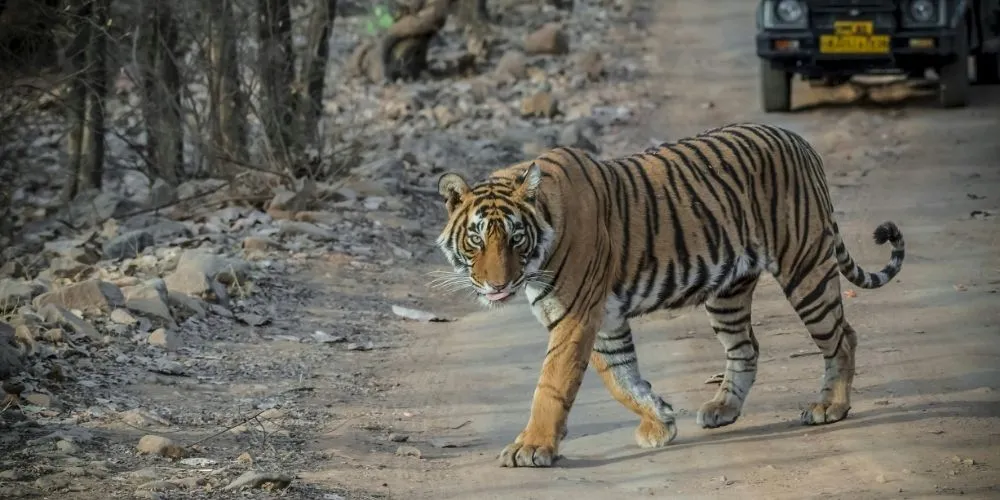
Spread across 1,334 sq kms, Ranthambore National Park is a living carpet of woodlands, lakes, and historic ruins where tigers, leopards, deer, crocodiles, and over 300 bird species thrive. Open from October to June, the park is divided into 10 safari zones. The first five “core” zones are famous for frequent tiger sightings, while buffer zones also offer great views and a quieter setting.
Book your safari as soon as you begin planning; Ranthambore Safari Booking should ideally be done online, up to 90 days in advance. Choose from private jeep rides (perfect for small groups and photography) or larger canter safaris (20-seater) for budget travel. Early morning and afternoon safaris both show off Ranthambore’s wild charm, with guides helping you spot tigers as well as jackals, sloth bears, and blue bulls.
For best luck, aim for zones 2, 3, 4, and 6. Carry your ID, dress in muted colours, and bring binoculars; the quieter you are, the closer the animals come. Wear comfortable cotton clothes that also protect you from the harsh sun and keep you cool.
Ranthambore Fort: Our History and Heritage
Right inside the forest, looming atop a 700 ft hill, sits the UNESCO-listed Ranthambore Fort. The fort’s stone corridors, huge gates, and thick walls tell tales of Chauhan kings, Mughal sieges, and Rajput grit. The climb is not tough; 20 minutes of steps through shaded paths, with monkeys and peacocks for company. Explore temples, old water tanks, and hidden ruins (don’t miss the famous Ganesha Temple, a magnet for visitors).
Sunset at the fort is magical; golden light, panoramic jungles, and calls of wildlife echoing below. The fort is free to enter, open sunrise to sunset, and best visited between October and March for cool, clear weather.
More Places to Visit in Ranthambore
- Padam Talao and Raj Bagh Ruins: The biggest lake in the park, fringed with haunting palace ruins where tigers and birds come to drink.
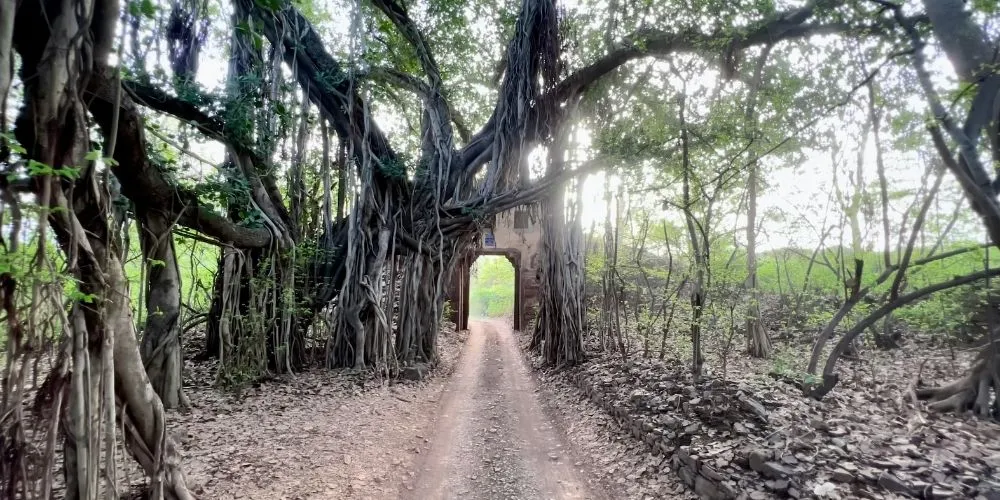
- Jogi Mahal: A historic hunting lodge now closed but worth a peek for its vast banyan tree and evocative architecture.
- Trinetra Ganesh Temple: Inside Ranthambore Fort, famous among pilgrims for its centuries-old idol.
- Kachida Valley and Malik Talao: OЫeat zones known for leopards and crocodile sightings.
- Chambal Boating: Near-by river trips where you can spot gharials and colourful birds.
For a quick local fix, stroll through Sawai Madhopur’s bazaar; shop for Rajasthani textiles and munch on spicy street food.
OЫeat Spots and Nature Walks
The region around Ranthambore is full of secrets. Try a walk in Sherpur village to meet local artisans or hike to nearby Banas river valleys for birdwatching and picnic with a view. Barasingha and Nilgai sightings abound in quieter buffer zones, and the Raj Bagh Ruins offer photo opportunities with faded arches and overgrown trails.
Where to Stay: Forest Luxury and Homely Comfort
Near the forest gate along Ranthambore Road, you’ll find a range of options:
- Sujan Sherbagh Resort, Taj Sawai Madhopur Lodge, Ranthambore Kothi: Jungle-style luxury with private camps, pools, and spa.
- Nahargarh, Dev Vilas, Mount Valley Nature Resort: Signature Rajasthani hospitality, lush gardens, and quick safari access.
- Castle Jhoomar Baori (RTDC): Set within the forest, for those chasing authentic wild vibes.
- Budget stays and homestays like Ranthambore Tiger Homestay are great for travellers who want comfort without the frills.
Book early in peak months (March–May and winter festival season) as rooms fill up quickly with wildlife enthusiasts.
Indulge in Rajasthani Flavours
Ranthambore’s cuisine is rich and spicy, mixing local Rajasthani and North Indian dishes. Dishes not to be missed include:
- Dal Bati Churma: Golden baatis with ghee, chunky dal, and sweet churma.
- Laal Maas: Fiery mutton curry; perfect with rice and roti.
- Gatte ki Sabzi: Gram flour dumplings in zesty tomato or curd gravy.
Most resorts offer buffets with local and global cuisines; small dhabas near the town market serve piping-hot samosas, pyaaz kachoris, mirch-pakoras, and masala chai. For dessert, gorge on homemade laddus or rabri.
Best Time to Visit Ranthambore
November to April is the sweet spot; pleasant weather, lush scenery after monsoons, and energetic animals near water bodies. May and June are super for tiger sightings, as the heat drives animals to the lakes, but be ready for high temperatures. The park closes July–September for monsoons.
Pack cotton clothing for the day, cozy layers for chilly mornings, sturdy shoes, hats, sunglasses, and plenty of water. If travelling in summer, keep sunscreen handy and stay hydrated.
Quick Tips to Make the Most of Your Trip
- Book safaris and hotels well in advance ( at least 90 days), especially for weekends.
- Carry binoculars, camera, and your sharpest wildlife-spotting eyes.
- Keep cash; small tips help guides and sundry expenses.
- Wear comfortable clothes for fort walks and safaris.
- Respect the jungle and its inhabitants, don’t play loud music, avoid littering, and stick to paths.
Conclusion
Ranthambore is Rajasthan’s wild ratan, shining with stories, stripes, and surprises. Whether you chase tigers, explore fort ruins, feast on local dishes, or just sit by lakes at sunset, this jewel of a place blends heritage and nature like nowhere else. Come with a curious heart and leave with wild memories!
By: Anushka Singhal